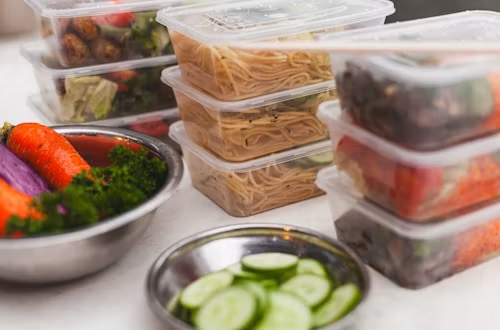
Plastic is everywhere in the kitchen. Chopping boards, storage tubs, cling film, spatulas, mixing bowls. You probably reach for three or four plastic items every single time you cook, without even thinking about it. But here’s the thing, if someone asked you which of those plastics are actually safe to use around food, could you give a straight answer? Most people couldn’t, and those little recycling numbers stamped on the bottom won’t clear things up the way you’d expect.
Let’s take a closer look at what those numbers actually mean, which plastics are fine for your kitchen, which ones to avoid, and why some of the stuff you’ve been told about plastic safety is flat-out wrong.
What the Recycling Numbers Really Mean
You’ve seen the small triangle with a number inside it on pretty much every plastic product you own. Loads of people think that number is some kind of safety rating. It’s not. That number just tells you what type of resin the product is made from, and it was originally put there so recycling facilities could sort materials more easily.
Here’s the short version. Numbers 1 (PET), 2 (HDPE), 4 (LDPE), and 5 (PP) are generally considered safe for food contact. Numbers 3 (PVC) and 6 (polystyrene) are ones you’ll want to keep away from food, particularly when heat is involved. Then there’s number 7, which is basically a dumping ground for everything else, from plant-based bioplastics to polycarbonate, so you really can’t assume anything about a product just because it carries that number.
Keep in mind that a recycling number on its own doesn’t confirm something is food-safe. To know for sure, you’ll need to check whether the product meets food contact regulations. In the UK, those fall under the Food Standards Agency and retained EU law.
Why Polypropylene Stands Out
One plastic turns up in commercial kitchens and food manufacturing more than any other, and that’s polypropylene (number 5). It can take high temperatures without breaking down, stands up well to chemicals and acids, doesn’t absorb moisture, and keeps its shape through years of normal kitchen use. That durability is exactly why polypropylene ends up in yoghurt pots, microwaveable containers, reusable lunch boxes, and all sorts of food packaging.
Polypropylene copolymer (PPC) is a specific grade that mixes in a small amount of polyethylene, which makes it tougher and more flexible. It’s FSA-compliant and used widely across professional food prep environments. If you’re a home cook who wants a dedicated, hygienic prep surface, you can order cut-to-size PPC sheets in the exact dimensions you need. That makes it dead simple to fit a custom board to your worktop or kitchen island.
Common Myths That Catch People Out
Probably the biggest myth going is that all “BPA-free” plastics are automatically safe for food contact. They’re not. BPA is just one chemical people worry about, and some BPA-free products swap it out for BPS or BPF, which researchers still aren’t sure are much better. So that “BPA-free” label on the box? It’s more of a marketing move than any real guarantee of safety.
Reusing single-use plastics is another mistake people make all the time. That takeaway container with a number 1 on the bottom was designed to be used once and binned. Wash it repeatedly or stick it in the microwave, and the material will start to break down, which is exactly when chemicals are most likely to leach into your food.
A Cleaner Kitchen Starts With Better Choices
There’s no need to chuck every plastic item in your kitchen into the bin tomorrow. But once you know which materials are genuinely designed for food contact and which ones aren’t, you can start making better swaps gradually.
Go with PP and HDPE where possible, don’t heat plastics that weren’t built to handle it, replace any container that’s gone cloudy or warped, and always check for proper food-grade markings before you trust something with last night’s leftovers.
