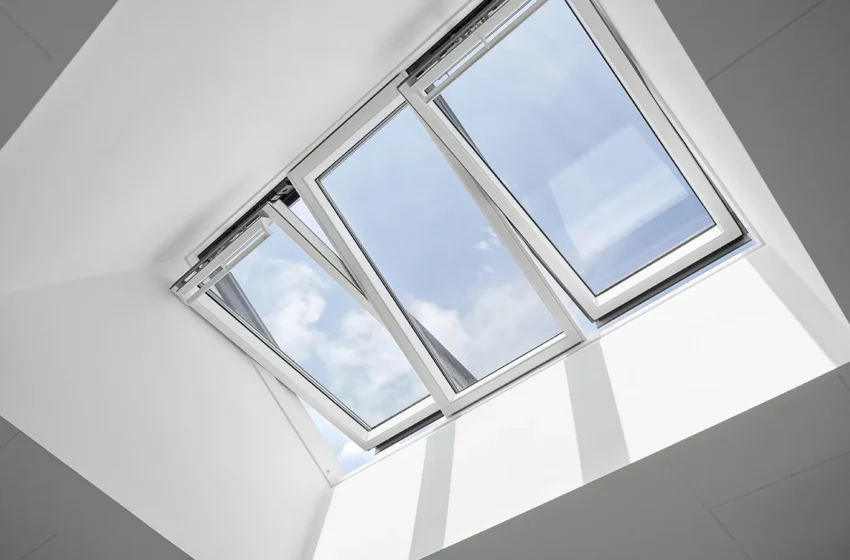
Roof windows bring natural light and ventilation into many homes across the UK, transforming loft spaces, bathrooms and living areas. When a Velux unit develops a fault, homeowners often face a practical choice between repairing the existing window or investing in a full replacement. Understanding the most frequent issues, assessing the condition of the unit, and weighing typical costs helps you reach a clear decision that protects both comfort and long-term value.
This guide walks through the common Velux window problems you are likely to encounter, offers a straightforward framework for deciding between velux window repair and velux window replacement, outlines realistic cost ranges, and highlights when professional expertise is essential. The aim is to give you the information needed to act with confidence while keeping the focus on reliable materials and quality workmanship.
Common Velux Window Problems You May Encounter
Velux roof windows are engineered for durability, yet everyday exposure to weather, temperature changes and regular use eventually leads to wear. Several issues appear more frequently than others and often prompt the need for velux window repairs.
One of the most reported concerns is velux window leaking. Water may enter during heavy rain and appear as damp patches around the frame, staining on the ceiling or droplets inside the room. In many cases the source is not the glass itself but the seals around the sash, the flashing kit that weatherproofs the junction with the roof, or blocked drainage channels that allow water to pool. Worn rubber gaskets lose flexibility over time and no longer form a tight barrier, while slipped or cracked tiles around the window can also allow moisture to find its way inside.
Cracked or damaged glazing is another frequent problem. Impact from hail, falling debris or thermal stress can create hairline fractures or larger cracks. Even a small chip can spread, compromising both safety and insulation. When the sealed double-glazed unit fails, moisture becomes trapped between the panes, producing a permanent misty or foggy appearance that reduces clarity and thermal performance.
Failed hinges and stiff opening mechanisms also rank high among common Velux window problems. The centre-pivot or top-hung action relies on hinges, springs and handles that experience repeated stress. Over years of use these components can seize, become loose or break entirely, making the window difficult or impossible to open and close smoothly. Electric or solar-powered models may develop additional faults in motors or sensors.
Condensation is often misunderstood. Surface condensation on the inside face of the glass can result from high indoor humidity and poor ventilation, but moisture appearing between the panes signals a failed glazing seal. This loss of the hermetic barrier reduces energy efficiency and can encourage mold growth on surrounding surfaces if left unaddressed.
These issues rarely appear in isolation. A leaking seal may accelerate frame deterioration, while a stiff mechanism can prevent the window from closing properly and worsen draughts. Early diagnosis limits further damage and keeps repair options open.
How to Diagnose the Issue Before Deciding
A careful inspection helps determine whether the problem is isolated or more extensive. Begin by checking the glazing for cracks, chips or persistent fogging between panes. Examine the seals and gaskets for hardening, cracking or gaps. Look at the frame for signs of rot, warping or soft timber, especially on older wooden units. Test the opening mechanism for stiffness, uneven movement or complete failure. Outside, inspect the flashing and surrounding roof tiles for displacement, corrosion or debris build-up.
Note whether the problem worsens in specific weather conditions. Leaks that appear only during heavy rain often point to flashing or seal failure, whereas constant condensation between panes indicates a failed sealed unit. Record the approximate age of the window if known; the manufacturer’s data plate is usually visible on the frame and provides useful model and production information.
This diagnostic step forms the foundation of the repair-versus-replacement decision. An isolated fault on a relatively young window typically favours targeted velux window repair, while multiple or structural problems on an older unit often tip the balance toward replacement.
A Clear Decision Framework for Velux Window Repair or Replacement
Three main factors guide the choice: the age of the unit, its warranty status, and the extent of the damage.
Age plays a significant role. Windows under ten to fifteen years old with a single, clearly defined fault are usually good candidates for repair. Seals, hinges, mechanisms and even individual glazing units can often be renewed while the frame remains sound. Once a window passes the twenty-year mark, spare parts become harder to source, thermal performance lags behind modern standards, and the likelihood of further failures increases. At this stage replacement frequently offers better long-term value.
Warranty status is equally important. Genuine Velux products carry manufacturer guarantees that can cover certain components for ten years or more, depending on the model and production date. Work carried out by a non-approved installer may invalidate remaining cover. Checking the original documentation or contacting the manufacturer helps clarify whether a repair or replacement can still benefit from warranty protection.
The extent of the damage is the practical test. An isolated problem such as a worn seal, a single cracked pane or a stiff handle can usually be resolved without removing the entire window. When the frame shows rot, the glazing has failed and the mechanism no longer functions, or water has caused repeated internal damage, the cumulative cost and disruption of successive repairs can exceed the price of a new unit. A useful rule of thumb is to consider replacement once estimated repair costs approach or exceed half the price of a comparable new window installed.
Quality of materials and workmanship should also influence the decision. Professional repairs that use genuine or high-grade compatible components restore performance and longevity. Similarly, a modern replacement window brings improved energy ratings, better seals and refined opening mechanisms that reduce the chance of future issues.
Typical Costs for Velux Window Repairs
Repair prices vary according to the specific fault, window size, roof access and location, yet current UK averages provide a realistic guide. Minor seal replacement often falls in the range of sixty-five to one hundred and fifty pounds, sometimes rising toward three hundred pounds when labour and access are more involved. Mechanism or hinge repairs typically cost between one hundred and five hundred pounds, depending on whether adjustment, lubrication or full component replacement is required. Flashing repairs or partial frame work commonly range from one hundred and eighty to five hundred pounds. Glazing unit replacement, when the frame remains sound, usually sits between one hundred and fifty and six hundred pounds.
Overall, many straightforward velux window repairs settle between one hundred and sixty-five and one thousand and fifty pounds, with the majority of routine jobs clustering toward the lower to middle part of that band. Emergency call-outs or difficult access can push figures higher. These costs remain significantly lower than full replacement in most cases, making repair the economical first option when the window is otherwise in good condition.
Typical Costs for Velux Window Replacement
A complete velux window replacement, including supply of a new unit, appropriate flashing kit and professional installation, generally ranges from one thousand to two thousand five hundred pounds for a standard size and specification. Smaller centre-pivot models may start nearer seven hundred and fifty pounds installed, while larger units, electric or solar-powered versions, or those requiring scaffolding tend toward the upper end or beyond. Like-for-like replacements of existing openings are usually quicker and less expensive than creating a new aperture.
Factors that influence the final figure include roof pitch, covering material, internal finishing requirements and regional labour rates. Choosing higher-performance glazing or a different operation type increases the supply cost but can deliver measurable gains in comfort and energy efficiency. When comparing quotes it is worth confirming that the price includes a suitable flashing kit matched to the roof type and that the installer follows manufacturer guidelines.
When a Certified Installer Is Required for Warranty Compliance
Manufacturer warranties often stipulate that installation or significant repair work must be carried out by a trained and approved specialist. Using an uncertified tradesperson can void remaining cover on the window itself and on related components. For both velux window repairs involving structural elements and full replacements, engaging a certified installer protects any residual warranty and ensures the work meets current standards for weatherproofing and thermal performance.
Certified professionals are familiar with the full range of Velux models, understand the correct flashing details for different roof coverings, and can source genuine parts when available. They also provide documentation that supports future claims if needed. While general roofers or builders may offer competitive rates, the long-term security of warranty compliance and correct installation often justifies choosing a specialist.
Signs That Full Velux Window Replacement Has Become Unavoidable
Certain indicators make replacement the clearer and more practical route. Repeated leaks that return after previous seal or flashing repairs suggest underlying deterioration that piecemeal fixes cannot permanently resolve. A timber frame that has softened, warped or developed extensive rot compromises the entire structure and cannot be restored reliably. Multiple simultaneous failures, such as misted glazing combined with a seized mechanism and degraded seals, usually mean the unit has reached the end of its serviceable life.
Windows more than twenty years old frequently fall into this category, especially if energy bills have risen noticeably or the room feels consistently colder near the window. Safety concerns arising from cracked glass that cannot be isolated, or from a mechanism that no longer locks securely, also point toward replacement. In these situations a new window restores weather tightness, improves insulation, and resets the maintenance cycle with modern materials designed for longer performance.
Making the Choice with Confidence
Deciding between velux window repair and velux window replacement rests on a balanced assessment of age, condition, cost and future expectations. Isolated faults on younger windows respond well to targeted repairs that restore function at a fraction of the cost of a new unit. Older windows showing multiple or structural problems benefit from the reliability and efficiency of a modern replacement.
Quality materials and skilled installation remain central to either path. Whether renewing seals and mechanisms or fitting an entirely new roof window, the longevity of the result depends on correct detailing and durable components. Homeowners who take the time to diagnose the issue thoroughly and seek specialist advice are best placed to choose the solution that delivers lasting comfort and value.
