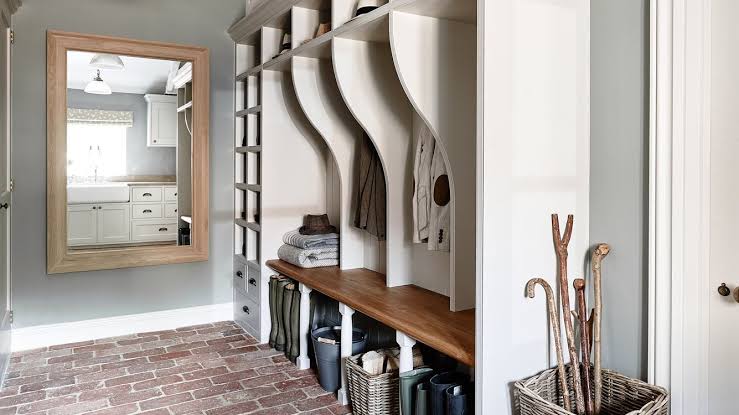
In homes that see real winters, bathrooms and mudrooms take a beating. Snow-covered boots, road salt, dripping coats and wet pets all end up on the same few square feet of floor. Tile is one of the most durable choices for these spaces, but it only performs well when it’s chosen and installed correctly.
Why tile works in wet spaces
Porcelain and ceramic tile are hard, water-resistant and easy to clean. Unlike wood or laminate, they won’t swell when water sits on them. They also handle road salt and grit far better than softer materials. Porcelain is denser and absorbs less water than standard ceramic, which makes it the better choice for entryways and areas that see heavy wear.
Slip resistance matters
Wet tile can be slippery. For bathrooms and mudrooms, choose tiles with a textured or matte finish and look at their slip-resistance rating. Smaller tiles also add grip because there are more grout lines underfoot. Polished, glossy tiles look great in a dry dining room but aren’t the best choice near a shower or the back door.
The part you don’t see: prep
Most tile failures come from what’s underneath. Tile needs a stiff, flat subfloor. Any flex can crack tiles or grout. In bathrooms, a proper waterproofing membrane around showers and tubs is essential. In older homes, installers often need to reinforce or level the subfloor first.
Grout choices
Grout is the weak spot in any tile floor. Standard cement grout should be sealed and resealed periodically. Epoxy or high-performance grouts cost more but resist stains and moisture much better, which is a smart upgrade for mudrooms that see a lot of salt and mud.
Cold floors? Consider heat
Tile can feel cold underfoot in winter. Radiant floor heating under tile is a popular upgrade in bathrooms and makes early mornings much more pleasant. It has to be planned before installation, so talk to your installer early.
When to hire a pro
Tile installation is labor-intensive and unforgiving. Small mistakes in layout, leveling or waterproofing show up quickly. In southern New Hampshire, professional tile floor installation in Nashua covers everything from subfloor prep to grout sealing.
An easier alternative
If you love the look of tile but want something warmer, quieter and faster to install, consider waterproof luxury vinyl. Many products now replicate stone and tile closely. Luxury vinyl floor installation is often quicker and less disruptive, which makes it a good option for basement bathrooms or rentals.
Design the room around daily life
A great bathroom is also about function. Plan storage for the things you use every day, including grooming tools. A drawer or charging spot for an electric shaver or beard trimmer keeps cords off the counter and away from water. In the mudroom, add a boot tray, hooks and a bench so wet gear stays off the floor.
Finally, plan for maintenance. Sweep grit often, since sand and salt act like sandpaper on any floor. Wipe up standing water, and reseal cement grout every year or two in high-use areas.
Choose the right tile, prepare the floor properly, and your bathroom and mudroom will stand up to every winter for years.
