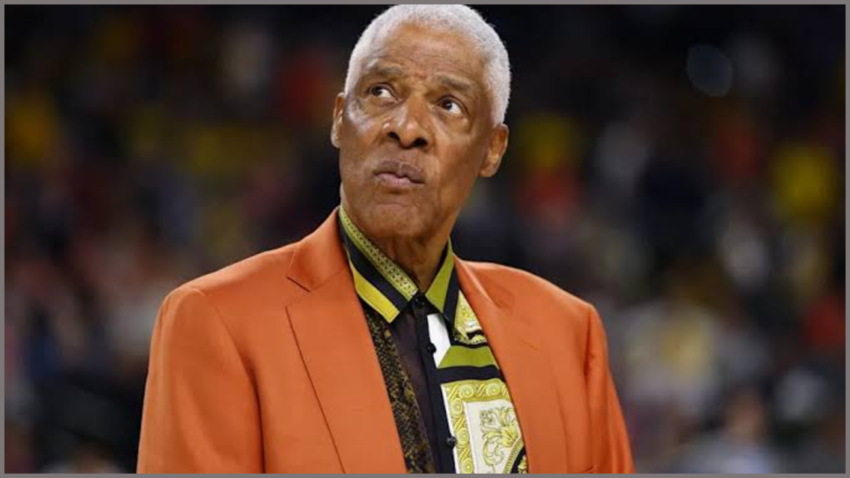
Julius Erving is one of the most influential figures in basketball history, celebrated for his extraordinary athleticism, graceful playing style, and lasting impact on professional basketball. Widely known by his nickname, “Dr. J,” he helped transform the way fans viewed the game through his spectacular dunks, smooth movement, and ability to combine power with elegance. His influence extended beyond scoring and winning championships, making him a major figure in the evolution of modern basketball.
Throughout his career, Julius Erving demonstrated that basketball could be both a competitive sport and a form of entertainment. His high-flying performances attracted new audiences, inspired generations of players, and helped establish the athletic, fast-paced style that became increasingly popular in the NBA. Before players such as Michael Jordan, Kobe Bryant, and LeBron James became global basketball icons, Erving had already shown how an exceptional athlete could become a cultural phenomenon through talent, personality, and consistency.
Born in 1950, Erving achieved remarkable success in college basketball, the American Basketball Association (ABA), and the National Basketball Association (NBA). He won championships, earned individual honors, and became a recognizable face of professional basketball during an important period in the sport’s development. His story offers valuable insight into basketball history, athletic excellence, sports marketing, and the development of the modern professional athlete.
Understanding Julius Erving means looking beyond his famous dunks. His career reveals how creativity, discipline, leadership, and adaptability can shape an entire sport. His legacy remains important to basketball fans because he helped establish a standard of excitement and athletic artistry that continues to influence the game.
Early Life and Background of Julius Erving
Childhood and Family Background
Julius Winfield Erving II was born on February 22, 1950, in East Meadow, New York, and grew up in the Hempstead area of Long Island. His upbringing helped shape the determination and work ethic that later became central to his basketball career. Like many talented young athletes, he developed his skills through regular practice, competitive games, and a growing interest in improving his performance.
Basketball provided Erving with an opportunity to express his athletic ability while learning valuable lessons about teamwork and responsibility. His natural coordination, long reach, and exceptional leaping ability made him stand out from other players. However, physical gifts alone did not explain his eventual success. His development also depended on his willingness to learn the game, understand positioning, and make effective decisions under pressure.
During his early years, basketball was becoming an increasingly important part of American sports culture. Professional leagues were competing for public attention, and college basketball offered talented young players a pathway toward professional careers. Erving entered this environment with the ambition and ability to become a major contributor at higher levels of competition.
Education and College Basketball
Erving attended the University of Massachusetts, where he played college basketball for the UMass Minutemen. His college performances demonstrated his scoring ability, athleticism, and versatility. He was capable of contributing in several areas, including rebounding, finishing around the basket, and creating opportunities through movement.
His time at Massachusetts was an important stage in his development because it allowed him to compete against talented collegiate opponents while refining his understanding of organized basketball. He became known for his ability to rise above defenders and finish plays in ways that attracted attention from spectators.
College basketball also helped Erving prepare for the physical demands of professional competition. Playing at a higher level required him to manage pressure, maintain consistency, and contribute within a team structure. These experiences prepared him for the challenges that followed when he entered professional basketball in the early 1970s.
Although his college career was relatively brief, its influence was significant. Erving left Massachusetts with the reputation of an exceptional athlete whose combination of skill and creativity could translate successfully to the professional game.
Julius Erving’s Professional Basketball Career
Joining the American Basketball Association
Julius Erving began his professional career in 1971 when he joined the Virginia Squires of the American Basketball Association. The ABA competed with the NBA for players, television audiences, and public recognition. Although the two leagues had different levels of financial stability and public visibility, the ABA became an important environment for innovative basketball.
Erving immediately attracted attention because of his extraordinary athletic ability. His speed, jumping power, ball-handling skills, and finishing ability made him a difficult opponent to defend. He could score in transition, attack the basket, rebound effectively, and create memorable plays that energized crowds.
His performances helped establish him as one of the ABA’s leading players. Rather than relying exclusively on traditional post moves or outside shooting, Erving combined multiple skills to create opportunities. He could change direction in midair, adjust his body to avoid defenders, and finish difficult attempts near the rim.
The ABA suited his style because it encouraged an entertaining and fast-moving approach to the game. Erving became one of the league’s most recognizable stars, and his popularity helped demonstrate that basketball audiences responded strongly to athletic creativity and exciting individual performances.
Success with the New York Nets
After his initial professional season, Erving joined the New York Nets, where he developed into the defining superstar of the ABA. His time with the franchise was among the most successful periods of his career.
Erving’s performances were not limited to spectacular dunks. He consistently produced points, rebounds, and assists while demonstrating the ability to influence games in different ways. His versatility allowed coaches to use him in multiple offensive situations, and opponents frequently struggled to contain his combination of strength, agility, and court awareness.
With the Nets, Erving won two ABA championships, in 1974 and 1976. These titles established him as a championship-level performer and strengthened his reputation as one of the greatest players in professional basketball.
He also won three ABA Most Valuable Player awards during the 1973–74, 1974–75, and 1975–76 seasons. These honors reflected his importance to his team and his remarkable individual production. He was not simply an entertainer who produced occasional highlights; he was a consistent performer capable of leading a championship contender.
His success with the Nets also contributed to the ABA’s historical significance. When the ABA and NBA merged in 1976, several franchises and players from the younger league entered the NBA environment. Erving became one of the most important figures connecting the two eras.
Julius Erving and the NBA
Joining the Philadelphia 76ers
Following the ABA-NBA merger in 1976, Julius Erving joined the Philadelphia 76ers. The move placed him on one of the NBA’s most prominent teams and introduced his talents to an even broader national audience.
Philadelphia already had a passionate basketball following, and Erving quickly became the centerpiece of the franchise. His style attracted attention, but his ability to produce results made him essential to the team’s ambitions.
During his NBA career, Erving continued to demonstrate exceptional scoring ability and athletic versatility. He could drive past defenders, finish above the rim, score from midrange, and contribute defensively through rebounding and anticipation. His offensive game was built around movement, timing, and an understanding of how to exploit space.
Erving also adapted to the differences between the ABA and NBA. The NBA featured established stars, experienced coaches, and highly competitive teams. Success required more than individual talent; it demanded strategic adjustments, patience, and consistent teamwork.
He became a central figure in Philadelphia’s pursuit of championships. His performances helped the franchise remain competitive throughout the late 1970s and early 1980s, while his reputation expanded beyond the basketball court.
The 1983 NBA Championship
One of the most important achievements in Julius Erving’s NBA career came in 1983, when the Philadelphia 76ers won the NBA championship.
The team featured a strong combination of experienced players and elite talent, including Moses Malone. Malone’s interior scoring and rebounding complemented Erving’s versatility and perimeter-oriented attacking style. Together with their teammates, they formed a powerful championship group.
Philadelphia dominated the 1983 playoffs and defeated the Los Angeles Lakers in the NBA Finals. The victory gave Erving his first NBA championship and added another major accomplishment to a career that already included two ABA titles.
The championship was particularly meaningful because it demonstrated his ability to succeed in both professional leagues. Erving had already established himself as an ABA legend, but winning the NBA title confirmed that his influence and skills translated fully to the NBA’s competitive environment.
The 1983 championship also became an important moment in Philadelphia sports history. Fans celebrated a team that combined individual excellence with collective performance. For Erving, the title represented the culmination of years of dedication and a defining achievement in his professional journey.
What Made Julius Erving’s Playing Style Unique?
Extraordinary Athleticism and Dunking Ability
Julius Erving became famous for his ability to leap high, remain composed in the air, and finish difficult shots around the basket. His dunks were among the most memorable aspects of his game, but their significance extended beyond their visual appeal.
Erving combined body control with an understanding of timing. He could gather the ball, rise above defenders, and adjust his movement while airborne. These abilities allowed him to finish plays that other players might have abandoned or attempted with less success.
His athleticism also created strategic advantages. Defenders had to account for his ability to attack the basket from different angles, while teammates benefited from the attention he attracted. His presence could change defensive positioning even when he did not have possession of the ball.
The importance of his style becomes clearer when comparing basketball across different generations. Earlier eras emphasized fundamentals, structured offenses, and specific positional responsibilities. Erving demonstrated how exceptional athleticism could complement those fundamentals rather than replace them.
His approach helped make above-the-rim basketball an important feature of professional sports entertainment. Modern fans often associate spectacular dunking with later superstars, but Erving was among the players who helped establish its cultural significance.
Creativity, Ball Control, and Body Awareness
Erving’s game involved much more than jumping ability. He had the coordination and balance necessary to control his body during complicated movements. These qualities allowed him to complete reverse layups, adjust shots in midair, and move around defenders without losing control of the ball.
His finishing ability was especially effective in crowded areas near the basket. When defenders challenged him directly, he could change the angle of his attempt or use his reach to create separation. This made him difficult to predict and increased the variety of scoring opportunities available to him.
His creativity also reflected an understanding of basketball geometry. The angle of approach, the location of the defender, and the position of the basket all influenced how he completed a play. Rather than relying on one signature movement, he used a broad range of techniques to respond to different situations.
These characteristics remain valuable lessons for young basketball players. Athleticism can create opportunities, but coordination, footwork, balance, and decision-making help turn those opportunities into effective performances.
Scoring Versatility and All-Around Contributions
Erving was a productive scorer who could attack from several areas of the court. His driving ability allowed him to put pressure on defenses, while his midrange game provided another way to generate offense. He also contributed through rebounds, assists, defensive plays, and leadership.
His versatility made him valuable in different game situations. When his team needed scoring, he could take on a greater offensive role. When teammates were finding success, he could contribute through movement, passing, and rebounding.
This all-around approach helped distinguish him from athletes whose reputations depend mainly on one skill. Erving’s spectacular dunks were memorable, but his sustained production and influence on winning were equally important to his legacy.
Julius Erving’s Major Achievements and Awards
Julius Erving’s career includes an impressive collection of individual honors and team accomplishments. His achievements span the ABA and NBA, reflecting both his longevity and his ability to excel across different competitive environments.
His two ABA championships with the New York Nets established him as a successful postseason performer before the league merger. He also earned three ABA Most Valuable Player awards, demonstrating his dominance during the league’s final years.
In the NBA, Erving won the Most Valuable Player award for the 1980–81 season. He was selected to the NBA All-Star Game multiple times and became a regular presence among the league’s leading players. His continued excellence helped Philadelphia remain a major contender throughout his prime.
The 1983 NBA championship was the crowning achievement of his NBA team career. He also won the NBA All-Star Game Most Valuable Player award in 1977, highlighting his ability to perform on a stage featuring the league’s most celebrated talent.
Erving was inducted into the Naismith Memorial Basketball Hall of Fame in 1993. His induction recognized his overall contribution to basketball, including his achievements in both professional leagues.
These accomplishments help explain why Julius Erving is regularly discussed among the most influential players in basketball history. His legacy rests on a combination of statistical production, championship success, individual recognition, and cultural influence.
Julius Erving’s Career Statistics and Performance
Understanding His Statistical Legacy
Career statistics provide a useful way to understand Erving’s consistency and value. However, his achievements must be considered in the context of the eras in which he played.
Across his NBA regular-season career, Erving scored more than 18,000 points and averaged approximately 22 points per game. He also contributed substantially as a rebounder and passer. His NBA career lasted from 1976 through 1987, following his earlier success in the ABA.
When his ABA and NBA careers are considered together, his total professional scoring exceeds 30,000 points. This combined record reflects the substantial body of work he accumulated before and after the merger.
Statistics alone cannot fully describe his impact. Historical box scores do not measure every defensive adjustment he forced, every transition opportunity he created, or the excitement he generated among fans. They also do not fully capture the influence of his style on later generations.
For this reason, analysts often evaluate Erving through several dimensions: individual production, team success, awards, longevity, and influence on basketball’s development. Taken together, these factors provide a more complete picture of his career.
How His Game Compared with Other Legends
Comparisons between Julius Erving and other basketball greats are common because his career helped shape the style of the modern game. His name frequently appears in discussions involving Michael Jordan, Kareem Abdul-Jabbar, Magic Johnson, and other influential players.
Jordan became renowned for his scoring, competitive intensity, and extraordinary ability to combine athleticism with technical precision. Erving helped establish an earlier model of the high-flying superstar, showing how aerial creativity could become a central part of a player’s identity.
Kareem Abdul-Jabbar built his success around exceptional longevity, scoring consistency, and the famous skyhook. Magic Johnson became known for his playmaking, size, and ability to control the pace of a game. Erving’s strengths differed, but his versatility and influence placed him within the same broader historical conversation.
Comparing players across generations requires care because rules, training methods, offensive strategies, and competitive conditions change over time. Erving played before the three-point shot became a central part of modern NBA offenses, and today’s athletes benefit from different sports-science resources.
Rather than treating these players as interchangeable, it is more useful to recognize the distinct contributions each made. Erving’s particular legacy involves athletic artistry, offensive versatility, and helping establish the modern basketball superstar.
The Influence of Julius Erving on Modern Basketball
Inspiring Future Generations of Players
Erving influenced generations of basketball players by demonstrating that athleticism and technical skill could work together. His performances encouraged young athletes to develop their jumping ability, coordination, ball control, and creativity around the basket.
Players who came after him benefited from an evolving basketball culture in which spectacular finishes became an established part of the sport. His influence can be seen in the way later stars approached transition attacks, reverse layups, and above-the-rim finishes.
His legacy does not mean that every modern dunk or acrobatic layup originated with him. Basketball has always developed through contributions from many players across different communities and eras. Nevertheless, Erving was one of the most visible figures to popularize a style that became increasingly central to professional basketball.
Young players can learn from his career by recognizing that creativity works best when supported by strong fundamentals. A spectacular finish may attract attention, but consistent performance depends on footwork, conditioning, decision-making, teamwork, and an understanding of the game.
Changing the Entertainment Value of Basketball
Professional basketball has always depended on competition, but its growth has also been influenced by entertainment. Fans enjoy dramatic finishes, memorable rivalries, and players whose performances create emotional connections with audiences.
Erving excelled in this environment. His athletic style made ordinary possessions feel unpredictable, and his ability to produce spectacular plays helped attract attention to the ABA and NBA.
During an era when professional basketball was still developing its national profile, Erving became a recognizable personality whose appeal extended beyond traditional basketball audiences. His highlights helped communicate the excitement of the sport to people who might not have followed every game.
The modern NBA places considerable emphasis on digital highlights, international broadcasting, social media, and player branding. Although these platforms did not exist in their current forms during Erving’s playing career, the underlying principle is familiar: distinctive performances help athletes connect with audiences.
Erving’s career illustrates how memorable playing styles can contribute to a sport’s commercial and cultural growth.
Julius Erving Beyond Basketball
Personality, Public Image, and Professionalism
Julius Erving became known not only for his performances but also for his composed public image. The nickname “Dr. J” gave him a recognizable identity that fans could associate with his distinctive style and personality.
A memorable sports identity can make an athlete easier to recognize, but maintaining that reputation requires consistent performance. Erving’s success across multiple seasons helped strengthen his public image and made him one of the defining personalities of his era.
His career also coincided with changes in how professional athletes interacted with media, sponsors, and fans. Basketball players were becoming increasingly visible public figures, and Erving demonstrated how sporting excellence could support a lasting reputation beyond an individual season.
His influence helped establish a model for the modern athlete whose identity includes competition, personal branding, community engagement, and cultural relevance. While the commercial opportunities available to athletes have expanded considerably since his retirement, the importance of professionalism and public trust remains.
Business Interests and Life After Retirement
Erving retired from professional basketball in 1987. His departure marked the end of a celebrated playing career, but it did not end his relationship with the sport.
Like many prominent athletes, he explored business and public-facing opportunities after retirement. His experience as a professional basketball star gave him a valuable understanding of sports, entertainment, and the commercial relationships surrounding both industries.
Former athletes often pursue careers in broadcasting, business ownership, public speaking, investment, or charitable initiatives. Erving’s post-playing life illustrates how a strong professional reputation can create opportunities outside direct competition.
It is important to distinguish documented career achievements from assumptions about personal wealth. Celebrity net worth estimates can vary widely, and a person’s financial position cannot be established accurately from championship awards or career statistics alone. A responsible discussion of Erving’s legacy therefore focuses primarily on his documented sporting accomplishments and enduring influence.
His continued association with basketball has allowed fans to revisit important moments from his career while introducing younger audiences to the history of the game.
Why Julius Erving Remains Popular Today
A Lasting Place in Basketball History
Julius Erving remains popular because his career represents a significant stage in basketball’s development. He played during a period when professional basketball was evolving competitively and commercially, and his success helped connect the ABA era with the modern NBA.
His name continues to appear in historical documentaries, basketball discussions, retrospective broadcasts, and conversations about the greatest players of all time. His highlights remain memorable because they demonstrate physical ability and creativity in ways that can be appreciated even by viewers unfamiliar with the details of his career.
Younger fans can understand the appeal of his game immediately. A player rising above a defender, changing direction in the air, and completing a difficult finish communicates athletic excellence without requiring extensive historical knowledge.
At the same time, learning about his career offers a deeper understanding of how professional basketball developed. Erving was not simply a highlight performer. He was a championship winner, a league MVP, and a central figure in the sport’s transition between two professional leagues.
His Relevance in the Digital Era
Online video has helped preserve the careers of athletes from earlier generations. Fans can revisit historic games, compare playing styles, and explore the development of basketball through archival footage.
Erving benefits from this renewed accessibility because his most famous performances remain visually compelling. His style translates well to short-form video, where an extraordinary dunk or creative finish can communicate his talent within seconds.
Digital platforms also encourage comparisons between eras. These discussions can be useful when they consider the rules, playing conditions, and competitive environments that shaped each generation.
For fans researching Julius Erving, historical context matters as much as highlight footage. Understanding his ABA championships, NBA achievements, and role in the 1976 merger provides a more complete picture of why he occupies such an important place in basketball history.
Lessons Athletes Can Learn from Julius Erving
Erving’s career offers several lessons for aspiring basketball players and sports enthusiasts. One of the most important is that physical talent becomes more valuable when combined with technique. His jumping ability was extraordinary, but balance, timing, coordination, and decision-making helped him use it effectively.
Another lesson concerns adaptability. Erving succeeded in the ABA before continuing his career in the NBA. The transition required him to compete in a different environment, work within a new organizational structure, and maintain a high level of performance against elite opponents.
His career also demonstrates the value of consistency. Memorable highlights can create instant recognition, but awards and championships depend on sustained contributions over many games and seasons. Erving remained an important player throughout a lengthy professional career rather than relying on a brief period of popularity.
Finally, his legacy shows how an athlete can influence a sport beyond personal statistics. Erving’s style changed expectations about what a basketball player could do around the rim. His career helped make athletic creativity a more prominent part of the game’s identity, inspiring players and entertaining fans long after his retirement.
These lessons apply beyond basketball. In any competitive field, natural ability is most effective when supported by preparation, adaptability, discipline, and a willingness to continue learning.
Frequently Asked Questions About Julius Erving
Who Is Julius Erving?
Julius Erving is a retired American professional basketball player best known as Dr. J. He starred in both the American Basketball Association and the National Basketball Association, winning championships and earning multiple MVP awards. He is widely remembered for his athleticism, creative scoring, and influence on modern basketball.
Why Is Julius Erving Called Dr. J?
Dr. J is Erving’s famous basketball nickname. It became closely associated with his identity as a player and helped establish a recognizable public persona. The nickname is now an enduring part of basketball history, frequently used when discussing his career and achievements.
How Many Championships Did Julius Erving Win?
Erving won two ABA championships with the New York Nets, in 1974 and 1976, and one NBA championship with the Philadelphia 76ers, in 1983. These titles demonstrate his success in both professional leagues.
Did Julius Erving Win an NBA MVP Award?
Yes. Erving won the NBA Most Valuable Player award for the 1980–81 season. He had already won three ABA MVP awards before joining the NBA, making his career particularly notable for individual success across both leagues.
When Did Julius Erving Retire?
Erving retired from professional basketball in 1987 after an accomplished career that included championship victories, All-Star selections, and major individual honors. His retirement concluded an era in which he had helped redefine the role of the athletic, high-flying basketball superstar.
What Was Julius Erving’s Greatest Contribution to Basketball?
One of Erving’s most significant contributions was popularizing an exciting style of basketball built around athleticism, creativity, and spectacular finishes. His accomplishments also helped raise the profile of the ABA and influenced how fans viewed the professional basketball superstar.
Is Julius Erving Considered One of the Greatest Basketball Players Ever?
Yes. Erving is widely regarded as one of the great players in basketball history because of his achievements in both the ABA and NBA, his championship success, and his influence on later generations. Evaluations of all-time rankings differ, but his historical significance is firmly established.
Conclusion: The Enduring Legacy of Julius Erving
Julius Erving occupies a special place in basketball history because his career combined individual brilliance, championship success, and lasting cultural influence. Known around the world as Dr. J, he helped redefine the possibilities of basketball through his remarkable athleticism, creative finishing, and ability to perform consistently at the highest level.
From his early development at the University of Massachusetts to his success with the Virginia Squires, New York Nets, and Philadelphia 76ers, Erving demonstrated the value of talent supported by discipline and adaptability. His two ABA championships, three ABA MVP awards, NBA MVP honor, and 1983 NBA championship provide a record of achievement that spans two important eras of professional basketball.
His influence extends beyond statistics and trophies. Erving helped make aerial creativity and spectacular finishes central elements of basketball’s entertainment appeal. His performances inspired future stars and contributed to the evolution of the modern basketball superstar.
For anyone interested in basketball history, Julius Erving offers a compelling example of how an athlete can shape both a sport and its culture. His career reminds fans that greatness is measured not only by personal accomplishments but also by the inspiration a player provides and the lasting changes that player helps bring about.
