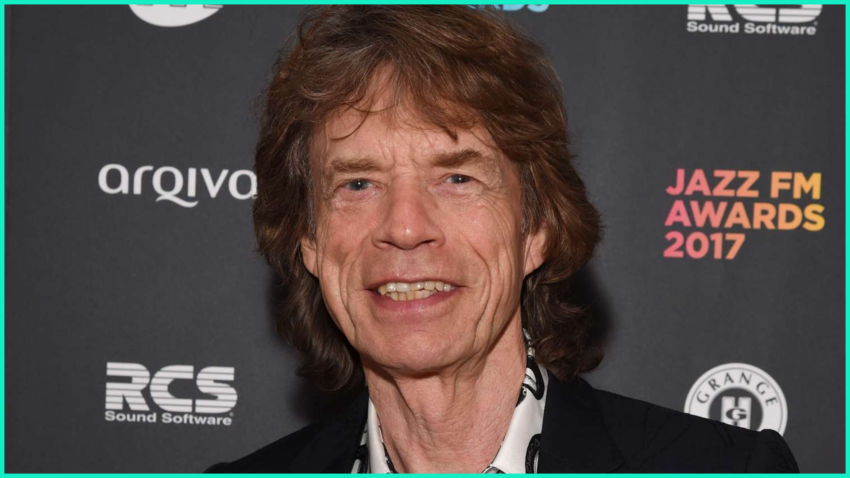
If you have ever wondered how old is Mick Jagger, the legendary Rolling Stones frontman, he was born on July 26, 1943, making him 83 years old as of October 26, 2026. Known for his energetic stage performances, distinctive voice, and decades of success in rock music, Jagger remains one of the most recognizable figures in the history of popular music.
From his early days in England to becoming the lead singer of one of the world’s most influential rock bands, Mick Jagger has built a remarkable career that spans more than six decades. His age often surprises fans because of his continued association with live performances, new music, and the enduring popularity of the Rolling Stones.
Understanding how old Mick Jagger is involves more than calculating the years since his birth. His story also reflects the evolution of rock and roll, the changing music industry, and the lasting influence of an artist whose work has reached generations of listeners.
Mick Jagger’s Early Life and Childhood
Where Was Mick Jagger Born?
Mick Jagger was born in Dartford, Kent, England, on July 26, 1943. His birth name is Michael Philip Jagger. He grew up in a family that valued education, discipline, and personal development. His father, Basil Jagger, worked as a teacher and was interested in physical education, while his mother, Eva Jagger, supported the family and encouraged her children’s development.
Jagger’s childhood was relatively ordinary compared with the extraordinary life he would later experience as a global rock star. He attended school in England and showed an interest in music from an early age. American blues, rhythm and blues, and early rock and roll gradually became important influences on his musical tastes.
His early exposure to different musical styles helped shape the sound that would eventually make him famous. Rather than following a conventional career path, Jagger became increasingly interested in performing and developing his identity as a singer.
How Old Was Mick Jagger When He Started Singing?
Mick Jagger was interested in singing during his childhood and began exploring music seriously during his teenage years. By the time he was a young adult, he had developed a strong interest in blues music and was performing with other aspiring musicians.
As a teenager, Jagger also began building his musical knowledge by listening to influential American artists. These experiences introduced him to the expressive vocal styles, rhythms, and stage techniques that later became central to his performances.
His developing interest in music eventually brought him back into contact with childhood friend Keith Richards. Their shared enthusiasm for blues and rock music became the foundation of a partnership that would change popular music.
Mick Jagger’s Age When the Rolling Stones Began
The Rolling Stones emerged in London in the early 1960s, when Mick Jagger was approximately 18 or 19 years old. The group developed a distinctive sound influenced by American blues, rhythm and blues, and rock and roll. Jagger became its lead singer, while Keith Richards helped establish the band’s recognizable guitar-driven musical identity.
The band’s early performances attracted attention because of its energetic sound and rebellious image. At a time when British popular music was expanding internationally, the Rolling Stones offered an alternative to more polished pop acts.
Jagger’s stage presence quickly became one of the band’s defining characteristics. His expressive movements, confident delivery, and ability to connect with audiences helped establish a new model for rock frontmen.
The group’s early success also demonstrated that Jagger’s ambitions extended beyond simply singing other people’s songs. Alongside Richards, he developed into a songwriter whose work would help define the band’s identity for generations.
Mick Jagger’s Age During the Rolling Stones’ Breakthrough
The Rolling Stones achieved major international recognition during the 1960s. Jagger was in his early twenties when the band released some of its most influential early recordings.
The song “(I Can’t Get No) Satisfaction” became a major breakthrough in 1965, when Jagger was 21 years old. Its memorable guitar riff, distinctive vocal delivery, and rebellious tone helped turn the band into an international sensation.
Other songs, including “Paint It, Black,” “Jumpin’ Jack Flash,” and “Sympathy for the Devil,” strengthened the Rolling Stones’ reputation as one of rock music’s most important groups.
These achievements came during a period when Jagger was still relatively young. However, the music he created with his bandmates would remain popular long after many of his contemporaries had left the spotlight.
His early success also established the foundation for a career that would eventually span more than 60 years.
How Old Is Mick Jagger Compared With Other Rock Legends?
Mick Jagger belongs to a generation of musicians who helped shape modern rock music during the 1960s. His career developed alongside other influential performers, including Paul McCartney, Bob Dylan, and Keith Richards.
Jagger was born in 1943, while Paul McCartney was born in 1942. Bob Dylan was born in 1941, and Keith Richards was born in December 1943. These artists helped define different aspects of rock, folk, and popular music during the same transformative period.
Although they shared similar historical circumstances, their musical approaches differed considerably. McCartney became known for melodic songwriting and versatility, Dylan for his lyrics and folk-rock influence, and Richards for his distinctive guitar playing and songwriting partnership with Jagger.
Jagger’s defining contribution has been his combination of vocal performance, physical movement, charisma, and songwriting. He helped establish the modern image of a rock frontman as both a musician and a compelling live entertainer.
His age is particularly interesting when compared with the careers of later performers. Many musicians who grew up listening to the Rolling Stones eventually became major stars themselves, demonstrating how Jagger’s influence has crossed several generations.
Mick Jagger’s Career Through the Decades
The 1960s: Becoming a Rock Star
During the 1960s, Mick Jagger developed from a young British singer into an internationally recognized performer. The Rolling Stones released influential music, toured extensively, and established an identity that differed from many mainstream pop groups of the period.
Jagger’s vocal style and performance techniques became increasingly recognizable. His expressive delivery complemented the band’s blues-based sound, while his songwriting partnership with Richards helped produce songs that remain familiar to listeners worldwide.
The decade also introduced Jagger to the pressures of international fame. Media attention, demanding performance schedules, and the changing expectations surrounding rock musicians became important parts of his life.
By the end of the 1960s, he was already a major figure in popular culture. Yet his career was only beginning, and his later work would demonstrate that he could remain relevant well beyond his initial breakthrough.
The 1970s: Expanding His Influence
During the 1970s, Jagger continued leading the Rolling Stones through a period of musical experimentation and commercial success. The group explored different production styles while maintaining its blues and rock foundations.
Albums such as Sticky Fingers and Exile on Main St. became important parts of the band’s artistic legacy. Their music combined memorable songwriting with a sound that reflected the changing cultural atmosphere of the era.
Jagger also began exploring opportunities outside the band. He appeared in films and participated in creative projects that allowed him to develop interests beyond live music.
By this stage, he was in his late twenties and thirties. Rather than relying entirely on the popularity of the band’s earliest recordings, he continued adapting his work to changing musical tastes.
The 1980s: Reinvention and New Challenges
The 1980s brought changes to the music industry, including the growing influence of music videos, electronic production, and new pop styles. Jagger responded by exploring solo music and different creative directions.
His solo career allowed him to experiment with sounds that were not always identical to the Rolling Stones’ traditional approach. Although his solo releases did not consistently match the enormous commercial impact of the band, they demonstrated his willingness to take creative risks.
Relationships among band members also experienced periods of tension. Nevertheless, the Rolling Stones continued to occupy an important place in rock music, and Jagger remained one of its most recognizable performers.
By the end of the decade, he had already spent much of his adult life in the music industry. His ability to adapt to changing circumstances would become an important factor in his longevity.
The 1990s and 2000s: Maintaining a Global Audience
During the 1990s and 2000s, Jagger continued performing with the Rolling Stones while expanding his work in entertainment and film production.
The band’s concerts attracted large audiences, and its established catalogue allowed it to connect with both longtime fans and younger listeners discovering its music for the first time.
Jagger also became involved in film production through his company, Jagged Films. His activities demonstrated that his professional interests extended beyond songwriting and performing.
At this stage of his career, he was no longer simply a musician benefiting from the popularity of the 1960s. He was an experienced entertainer with decades of professional knowledge and an established place in the history of popular culture.
The 2010s and Beyond: A Lasting Musical Legacy
The Rolling Stones continued attracting international attention throughout the 2010s and into the 2020s. Their ability to perform for audiences decades after their formation became a major part of their public identity.
The band released Blue & Lonesome in 2016, returning to blues material that reflected its original musical influences. In 2023, it released Hackney Diamonds, an album that demonstrated the group’s continued interest in recording new music.
Jagger was 80 years old when Hackney Diamonds was released. The album received significant attention because it represented a new chapter in the band’s recording career.
Its success also illustrated why people continue asking how old Mick Jagger is. His career challenges the assumption that major musical activity must end when an artist reaches a particular age.
Why Is Mick Jagger Still So Famous at 83?
Mick Jagger’s popularity is connected to several factors, including his musical achievements, distinctive personality, stage presence, and ability to remain culturally relevant.
First, his work with the Rolling Stones produced songs that have become part of popular culture. Their music continues to be played on radio stations, streaming services, television programs, and film soundtracks.
Second, Jagger has maintained a recognizable public identity. His voice, movements, fashion choices, and performance style have remained associated with the band throughout its history.
Third, the Rolling Stones have built a catalogue that appeals to listeners of different ages. Older fans may remember the band’s early concerts, while younger audiences may discover its music through streaming platforms or family members.
Another important factor is the group’s history. The Rolling Stones have experienced changes in musical trends, recording technology, and audience expectations without losing their central identity.
Jagger’s longevity is therefore not simply a matter of age. It reflects the combination of a substantial musical catalogue, professional experience, and an enduring connection with audiences.
Mick Jagger’s Fitness and Stage Energy
One of the most frequently discussed aspects of Jagger’s later career is his physical energy during performances. Rock concerts can demand considerable movement, stamina, coordination, and concentration, particularly when an artist performs for large audiences.
Jagger has long been associated with running across the stage, dancing, and maintaining an animated performance style. His approach to live entertainment has become part of his signature.
As artists grow older, maintaining the physical demands of touring can require adjustments to training, recovery, rehearsals, and scheduling. Professional performers may work with trainers, musicians, medical professionals, and production teams to support the demands of their careers.
It is important, however, not to assume that an individual’s appearance or stage energy reveals everything about their health. Public performances provide only a limited view of someone’s overall physical condition.
Jagger’s career nevertheless demonstrates how preparation and performance experience can contribute to a long professional life. His continued association with major musical events has helped keep interest in his age and lifestyle alive.
Mick Jagger’s Personal Life and Family
Mick Jagger’s personal life has attracted considerable public attention throughout his career. His relationships, family, and experiences outside music have often been discussed alongside his professional achievements.
Jagger has eight children. His family includes children from several relationships, and his youngest son, Deveraux, was born in December 2016 to Jagger and ballerina Melanie Hamrick.
Jagger was 73 years old when his youngest child was born. This fact often surprises readers researching his age because it highlights the considerable difference between his own generation and that of his youngest son.
His family life has developed alongside his career, which has involved international touring, recording sessions, business activities, and public appearances.
Despite his fame, it is useful to distinguish confirmed biographical information from speculation about private matters. His public career provides extensive material for understanding his influence, while personal details should be treated with appropriate care and accuracy.
Mick Jagger’s Achievements and Recognition
Mick Jagger’s achievements extend beyond the commercial success of the Rolling Stones. He has helped shape the development of rock music and influenced generations of singers and performers.
His songwriting partnership with Keith Richards produced a substantial collection of influential songs. Their work helped establish a musical identity that combined blues influences, memorable guitar riffs, expressive vocals, and distinctive lyrics.
Jagger has also received major recognition for his contributions to entertainment. He was knighted in 2003 for services to popular music, adding an official distinction to his international reputation.
His involvement in film and production has further broadened his professional portfolio. Although music remains his defining achievement, these additional activities show that his career has not been limited to one creative role.
The Rolling Stones’ place in music history also strengthens Jagger’s legacy. Their albums, concerts, and influence on later musicians have made the group a central subject in discussions about the development of modern rock.
How Mick Jagger’s Age Has Influenced His Career
Age can affect the way musicians approach recording, touring, and public performance. For Jagger, the passage of time has coincided with major changes in the music industry and the expectations placed on performers.
In his early twenties, he was part of a new generation challenging established musical conventions. In later decades, he became one of the veterans whose work helped define the traditions that younger musicians would reinterpret.
His career also reflects the importance of adapting to changing audiences. The ways people listen to music have evolved from vinyl records and radio broadcasts to compact discs, digital downloads, and streaming platforms.
Throughout these changes, the Rolling Stones have retained a recognizable sound and identity. Their established catalogue provides continuity, while new recordings offer opportunities to demonstrate creative development.
At 83, Jagger represents an unusually long career in a demanding industry. His professional history shows that an artist’s influence can extend far beyond the years when they first achieve mainstream success.
Mick Jagger’s Net Worth and Financial Success
Questions about how old Mick Jagger is often lead to interest in his wealth. His financial success has been built through decades of music, touring, songwriting, recording royalties, and other entertainment activities.
The Rolling Stones have sold millions of records and performed for audiences around the world. Their extensive catalogue continues to generate interest through radio play, streaming, licensing, and the ongoing popularity of their best-known songs.
Songwriting can be particularly important to a musician’s long-term earnings because successful compositions may generate royalties long after their original release. Touring can also be a major source of revenue for established artists, although the financial results of individual tours vary.
Jagger’s other professional activities, including film-related projects and business interests, have contributed to his broader career.
However, exact estimates of his personal net worth vary between publications and are not necessarily verified financial disclosures. Any figure presented without reliable documentation should be treated as an estimate rather than a confirmed statement of his assets.
His financial achievements are best understood in the context of a career that has lasted more than six decades and produced music recognized around the world.
Interesting Facts About Mick Jagger’s Age and Life
Mick Jagger was born during the Second World War, in 1943, long before the modern music industry developed its current global scale. By the time the Rolling Stones rose to prominence, he was in his early twenties.
His childhood friendship with Keith Richards eventually developed into one of the most recognizable songwriting partnerships in rock music. Their collaboration has lasted through changing musical eras and numerous personal and professional challenges.
Jagger attended the London School of Economics before choosing to pursue music. His decision to leave conventional education behind helped set the course for his future as a performer.
He also developed interests in acting and film production, demonstrating that his professional ambitions extended beyond the stage.
Another striking detail is that Jagger became a father for the first time in 1970 and welcomed his youngest child in 2016. The difference between those events illustrates the length of his personal and professional journey.
These facts help explain why searches about Mick Jagger’s age remain popular. His biography connects several generations, musical movements, and periods of cultural change.
Frequently Asked Questions About How Old Is Mick Jagger
How old is Mick Jagger in 2026?
Mick Jagger is 83 years old as of October 26, 2026. He was born on July 26, 1943, and celebrated his 83rd birthday in July 2026.
When is Mick Jagger’s birthday?
Mick Jagger’s birthday is July 26. His birth year is 1943, and he was born in Dartford, Kent, England.
What is Mick Jagger’s real name?
Mick Jagger’s full name is Michael Philip Jagger. He became internationally known by his shortened name, Mick Jagger, as the lead singer of the Rolling Stones.
How old was Mick Jagger when he joined the Rolling Stones?
Jagger was approximately 18 or 19 when the Rolling Stones formed in the early 1960s. He was still a young adult when the band began attracting international attention.
How old was Mick Jagger when the Rolling Stones became famous?
The band’s breakthrough came during the 1960s. Jagger was 21 when “(I Can’t Get No) Satisfaction” became a major hit in 1965, helping establish the group’s international reputation.
Does Mick Jagger still perform at 83?
Jagger’s later career has included continued involvement in the Rolling Stones’ recording and live-performance activities. Specific future performances or touring plans should be confirmed through current announcements rather than assumed from his age or past schedule.
How many children does Mick Jagger have?
Mick Jagger has eight children. His youngest child, Deveraux, was born in December 2016.
Is Mick Jagger older than Keith Richards?
Yes. Jagger was born on July 26, 1943, while Keith Richards was born on December 18, 1943. Jagger is several months older than his longtime bandmate.
What made Mick Jagger famous?
Jagger became famous as the lead singer of the Rolling Stones. His distinctive voice, energetic stage presence, songwriting partnership with Keith Richards, and contribution to influential rock songs established him as a major figure in popular music.
Why do people search for Mick Jagger’s age so often?
Interest in Jagger’s age reflects the unusual length of his career. He became famous in the 1960s and remains an important figure in discussions about classic rock, live music, and the history of popular entertainment.
Conclusion
So, how old is Mick Jagger? As of October 26, 2026, the legendary Rolling Stones singer is 83 years old, having been born on July 26, 1943, in Dartford, England.
His life story is a remarkable example of musical longevity. From his early interest in blues and rock and roll to his rise as the frontman of one of the world’s most influential bands, Jagger has spent more than six decades shaping popular music.
His achievements include memorable songs, international tours, songwriting success, film projects, and recognition for his contribution to entertainment. His family life and continued public visibility have also kept audiences interested in his biography.
Ultimately, Mick Jagger’s age is only one part of his story. His enduring influence comes from the music he helped create, the performances that made him famous, and the generations of listeners who continue to discover the Rolling Stones. At 83, his place in rock history remains firmly established, making him an enduring symbol of the genre and its evolution.
