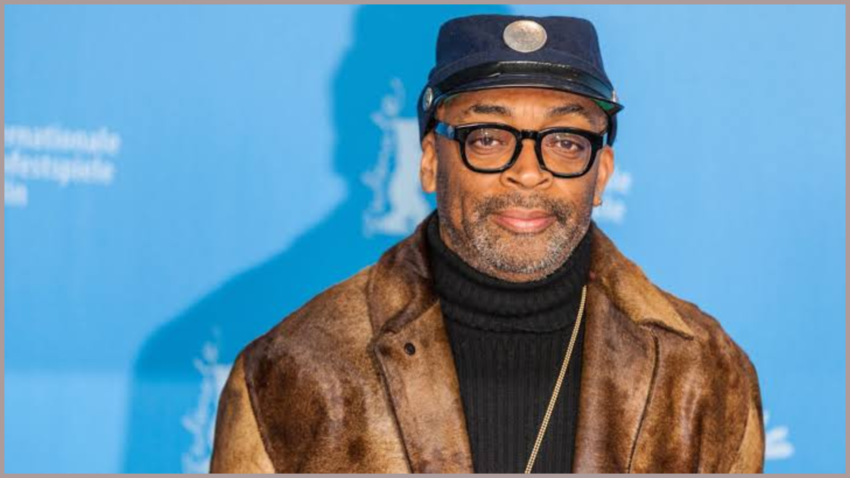
Spike Lee net worth is a popular topic among movie fans, entertainment enthusiasts, and people interested in the financial success of influential filmmakers. Known for his distinctive storytelling, bold social commentary, and groundbreaking contributions to American cinema, Spike Lee has built a long career as a director, screenwriter, producer, actor, and educator. His work has earned critical recognition, industry awards, and commercial opportunities that extend far beyond individual movies.
Spike Lee’s estimated net worth is commonly reported at around $50 million, although this figure should be treated as an approximate media estimate rather than a verified financial statement. His exact wealth is not publicly confirmed, and his personal assets, business interests, investments, expenses, and contractual earnings are not fully available. Nevertheless, his decades-long career provides a useful picture of how a filmmaker can turn creative talent into lasting financial success.
From independent filmmaking to major Hollywood productions, Lee has developed a recognizable professional identity. His movies have explored race, politics, identity, inequality, culture, and community, often encouraging audiences to reconsider familiar social issues. Alongside his artistic achievements, his work in advertising, television, education, and film production has helped establish a diversified career.
Understanding Spike Lee net worth requires more than looking at a single estimated dollar amount. It involves examining his early life, education, filmmaking breakthrough, most successful projects, professional partnerships, awards, and continuing influence on the entertainment industry.
Who Is Spike Lee?
Spike Lee, whose full name is Shelton Jackson Lee, is an American filmmaker celebrated for his original approach to cinema and his willingness to address difficult social subjects. Born on March 20, 1957, in Atlanta, Georgia, he moved to Brooklyn, New York, during his childhood. Growing up in Brooklyn played an important role in shaping his creative identity, and the city’s neighborhoods, communities, music, and cultural diversity later became central elements of his filmmaking.
Lee developed an interest in storytelling at an early age. His family encouraged artistic expression, and his father, Bill Lee, was a jazz musician whose work helped introduce him to the relationship between music and creative performance. His mother, Jacqueline Shelton Lee, also influenced his appreciation for culture and the arts.
As Lee matured, his interests expanded into filmmaking, writing, and visual storytelling. Rather than following a conventional route into Hollywood, he pursued formal education and experimented with independent film projects. Those early experiences helped him develop the distinctive voice that would eventually establish him as one of America’s most recognizable directors.
His professional success demonstrates that financial achievement in entertainment does not always depend on acting in blockbuster movies. Directors who develop strong creative identities, build professional relationships, and retain opportunities to produce their own work can create substantial long-term value.
Spike Lee Net Worth in 2026
The estimated Spike Lee net worth is approximately $60 million according to a widely cited celebrity wealth estimate updated in June 2026. Other online publications have reported different figures, including estimates closer to $50 million. Neither amount should be considered an officially confirmed valuation of his personal wealth.
The difference between these estimates illustrates an important point about celebrity finances. Most entertainers do not publicly release complete personal balance sheets. Their wealth may include real estate, business ownership, investments, savings, intellectual property, and other assets, while also being reduced by taxes, mortgages, operating expenses, and other liabilities.
Lee has worked across several areas of entertainment for decades. His professional activities include directing theatrical films, writing screenplays, producing documentaries, acting, directing commercials, developing television projects, and teaching filmmaking. This range of work gives him several potential sources of income rather than tying his financial success to a single movie or employer.
His production company, 40 Acres and a Mule Filmworks, is particularly important to understanding his career. By developing and producing projects through his own company, Lee has maintained a degree of creative independence while creating opportunities to participate in different stages of production.
However, it would be inaccurate to assume that every successful movie directly adds its entire box-office revenue to his personal fortune. Film revenue is distributed among theaters, distributors, studios, investors, production companies, and other participants. A director’s personal compensation depends on individual contracts and ownership arrangements.
For this reason, Spike Lee net worth is best understood as an estimate reflecting the possible accumulated value of a long and successful career, not a precise calculation based on ticket sales or awards.
How Spike Lee Built His Wealth
Independent Filmmaking and His First Major Breakthrough
One of the most important chapters in Lee’s financial story began with independent filmmaking. In the early stages of his career, he focused on developing projects that reflected his experiences and observations rather than waiting for major studios to offer him opportunities.
His student film, Joe’s Bed-Stuy Barbershop: We Cut Heads, earned recognition and helped demonstrate his filmmaking ability. The project received a Student Academy Award in 1983, an important early achievement that brought attention to his talent.
The next major milestone was She’s Gotta Have It, released in 1986. Lee wrote, directed, and starred in the film, which explored relationships, sexuality, identity, and personal independence through the experiences of a young Black woman in Brooklyn.
The movie became a significant independent filmmaking success. It demonstrated that a relatively modest production could attract a substantial audience when supported by distinctive storytelling and effective distribution.
The success of She’s Gotta Have It gave Lee greater professional visibility and helped establish his reputation as a filmmaker capable of working outside traditional Hollywood structures. It also created a foundation for future opportunities in directing, screenwriting, producing, and acting.
For an independent filmmaker, this kind of breakthrough can be financially valuable because it improves access to future projects, investors, production partners, and distribution agreements. Although the film’s commercial performance does not reveal Lee’s exact personal earnings, its success clearly helped advance his career.
Building a Recognizable Film Career
After his first major breakthrough, Lee continued making films that explored Black culture, American society, relationships, politics, and community life.
School Daze, released in 1988, examined identity, social divisions, and campus culture at a historically Black college. It helped introduce Lee’s work to a broader audience while demonstrating his ability to combine entertainment with social commentary.
In 1989, he released Do the Right Thing, one of the most influential films of his career. Set in a Brooklyn neighborhood during a hot summer day, the movie explored racial tension, community relationships, prejudice, and escalating conflict.
The film received critical acclaim and earned Lee an Academy Award nomination for its original screenplay. Its cultural significance has continued long after its initial release.
Lee followed these projects with films such as Mo’ Better Blues, Jungle Fever, Malcolm X, Crooklyn, and Clockers. Each project expanded his experience and strengthened his standing within the film industry.
A long filmography can contribute to financial stability because it creates opportunities to work with different studios, actors, producers, and distributors. Successful directors may also receive invitations to develop projects that would be unavailable to less established filmmakers.
In Lee’s case, his professional identity became an asset in its own right. Audiences and industry partners came to associate his name with a particular style of storytelling, making his involvement valuable for projects seeking his creative perspective.
Major Movies That Contributed to Spike Lee’s Career
Malcolm X
Released in 1992, Malcolm X remains one of Lee’s most ambitious filmmaking projects. The historical drama follows the life of civil rights leader Malcolm X, with Denzel Washington delivering the central performance.
The film explored Malcolm X’s personal development, religious transformation, political activism, and influence on the American civil rights movement. It required extensive research, a substantial production effort, and a careful approach to a historically important subject.
Although the film did not win an Academy Award, it received significant critical attention and helped establish Lee as a director capable of handling large-scale historical productions.
Projects of this size can expand a director’s professional opportunities, even when their financial results are more complicated than simple box-office totals suggest. Large productions involve substantial costs, financing arrangements, distribution agreements, and marketing expenses.
For Lee, Malcolm X was an important step in demonstrating that his storytelling could operate on a much larger scale than his early independent films.
Inside Man
Inside Man, released in 2006, introduced Lee to a major crime-thriller project with a broader commercial appeal. The movie stars Denzel Washington, Clive Owen, and Jodie Foster and centers on a carefully planned bank robbery.
Unlike some of Lee’s more explicitly political films, Inside Man emphasizes suspense, deception, investigation, and character development. Its commercial success demonstrated that Lee could work effectively within a mainstream entertainment format without losing his distinctive directorial identity.
The film’s performance also illustrated the financial potential of established directors working with recognizable actors and commercially attractive stories.
A successful studio production can generate opportunities for future directing assignments, strengthen negotiating power, and increase demand for a filmmaker’s services. Nevertheless, the amount a director personally earns depends on the agreement negotiated for the project.
BlacKkKlansman
Another major milestone arrived with BlacKkKlansman, released in 2018. The film tells the story of a Black police officer who infiltrates the Ku Klux Klan with assistance from a white colleague.
Combining crime, historical drama, satire, and political commentary, the movie attracted considerable attention. Lee won the Academy Award for Best Adapted Screenplay in 2019, marking his first competitive Oscar win.
The film strengthened his standing among critics and industry professionals and introduced his work to another generation of moviegoers.
Awards do not automatically increase a person’s net worth by a specific amount, but they can improve professional visibility and create opportunities. Recognition may help a filmmaker negotiate future contracts, secure funding, attract collaborators, and develop more ambitious projects.
For Lee, BlacKkKlansman reinforced the value of maintaining a recognizable creative voice throughout a career.
Da 5 Bloods
Lee directed Da 5 Bloods, released in 2020, a war drama about Black American veterans who return to Vietnam decades after their service.
The film addresses war, trauma, friendship, race, patriotism, and the long-term consequences of historical conflict. Its release through a major streaming platform also reflected changes in how audiences access movies.
Streaming has created new opportunities for established filmmakers, particularly those with experience developing visually distinctive and culturally relevant stories. However, streaming deals can have different financial structures from traditional theatrical releases.
Depending on the agreement, a filmmaker may receive a production fee, compensation for directing or writing, producer payments, or other contractual benefits. Public information about a film’s release alone does not establish the exact amount an individual receives.
Da 5 Bloods demonstrates Lee’s continued ability to work with major entertainment companies while addressing subjects that have remained central to his career.
40 Acres and a Mule Filmworks: The Business Behind His Success
A major part of Spike Lee’s professional identity is his production company, 40 Acres and a Mule Filmworks. Established in the early years of his career, the company has served as a vehicle for developing films, documentaries, television projects, and other creative work.
Owning or controlling a production company can offer important advantages to a filmmaker. Instead of relying entirely on outside studios, a director can develop original ideas, assemble creative teams, pursue financing, and build long-term relationships with distributors.
The company also helps establish a professional structure around the filmmaker’s work. Film production requires more than artistic talent. It involves budgeting, scheduling, hiring, negotiating contracts, coordinating production, managing post-production, and preparing projects for release.
Through 40 Acres and a Mule Filmworks, Lee has maintained a recognizable creative identity across multiple decades of filmmaking.
The company should not be confused with Lee’s personal net worth. A production business has its own operating expenses, contractual obligations, assets, and potential liabilities. Its financial value would depend on factors such as ownership, intellectual property, business performance, and future revenue opportunities.
Nevertheless, building a lasting production company can contribute to a filmmaker’s professional independence and provide a foundation for sustained career activity.
Spike Lee’s Income Sources Beyond Directing
Screenwriting and Film Production
Lee’s work as a screenwriter represents another important part of his professional career. Writing original screenplays gives him greater control over the stories he tells and allows him to develop themes that might not receive the same attention in conventional studio projects.
Screenwriting compensation can vary significantly depending on the production, the writer’s experience, the contract, and whether the screenplay is original or adapted from existing material.
When a filmmaker writes and directs the same movie, separate contractual arrangements may apply to the different responsibilities. Additional compensation may also depend on producing duties or other negotiated terms.
Lee’s ability to work in multiple creative roles has helped him remain active across different types of productions. It also demonstrates why evaluating a filmmaker’s financial success requires looking beyond directing fees alone.
Acting and Appearances
Lee has appeared in several of his own films and occasionally taken acting roles in other projects. Although acting is not the main activity for which he is known, it has been part of his broader entertainment career.
Actors may receive fixed salaries, negotiated fees, or other forms of compensation, depending on the production. In some circumstances, performers may also negotiate additional payments linked to a project’s commercial performance.
Lee’s acting work should be considered one part of a diverse career rather than the primary explanation for his estimated fortune.
His most significant professional value comes from the combination of filmmaking, writing, producing, and developing projects through his own creative organization.
Commercials and Advertising Projects
Another source of professional opportunity has been advertising. Lee has directed commercials for major brands and has been associated with campaigns featuring well-known athletes, including Michael Jordan.
Advertising can be financially attractive for established directors because commercial projects often have shorter production schedules than feature films. They also provide opportunities to work with major companies that need memorable visual storytelling.
Compensation depends on the scope of the campaign, the director’s responsibilities, the production budget, and the negotiated contract. Some campaigns may involve repeat work or long-standing professional relationships.
Lee’s ability to move between cinema and advertising demonstrates how filmmakers can apply their creative skills across different industries.
Commercial work also allows directors to experiment with short-form storytelling while reaching audiences who may not regularly watch independent films or documentaries.
Television and Streaming Projects
Television has created additional opportunities for Lee. His original film She’s Gotta Have It was adapted into a Netflix series, which ran for two seasons.
Developing a television series differs from directing a single feature film. It may involve overseeing multiple episodes, collaborating with writers and producers, managing recurring characters, and maintaining consistency across a longer narrative.
Compensation can vary according to the director’s and producer’s responsibilities, the number of episodes, the production agreement, and other contractual factors.
Streaming services have also expanded the international reach of many filmmakers. A production released through a global platform can reach viewers in markets where a smaller theatrical release might have limited distribution.
For Lee, television and streaming represent extensions of an established career rather than a complete departure from his original filmmaking approach.
Teaching and Academic Work
Lee has also maintained a connection to film education. He studied at Morehouse College and New York University’s Tisch School of the Arts, where he later became a professor and served in a leadership role within the graduate film program.
Academic work provides a different professional environment from commercial filmmaking. It allows experienced directors to share practical knowledge, discuss artistic decisions, and help students understand the technical and creative sides of production.
Teaching may provide compensation, although publicly available information does not establish Lee’s current salary or the precise amount he has earned through academic work.
Its significance is broader than income alone. Education helps preserve filmmaking knowledge and gives established artists an opportunity to influence future generations.
Spike Lee’s Awards and Their Influence on His Career
Awards have played an important role in establishing Lee’s reputation. His honors include an Academy Award for adapted screenplay for BlacKkKlansman, an Honorary Academy Award in 2015, and the National Medal of Arts in 2023.
He has also received recognition for his documentary work. His documentary When the Levees Broke: A Requiem in Four Acts, which examined the aftermath of Hurricane Katrina, won Emmy Awards.
These achievements reflect the breadth of his creative work, from dramatic feature films to documentaries that explore history and public issues.
Awards are not direct measurements of wealth. An Oscar, for example, does not establish a director’s salary, property value, or investment portfolio. However, recognition can strengthen professional credibility and help a filmmaker attract financing, collaborators, and distribution opportunities.
In a competitive industry, reputation can be a significant long-term advantage. A director with a proven track record may be better positioned to negotiate creative control or secure backing for projects that would be difficult for a newcomer to finance.
Lee’s awards therefore help explain the durability of his career, even though they cannot establish his precise net worth.
Real Estate and Personal Assets
Real estate is often discussed when examining the estimated wealth of high-profile entertainers. Spike Lee has been associated with properties in New York and a vacation estate on Martha’s Vineyard.
Property can contribute to net worth because an owner holds an asset that may appreciate over time. However, its actual contribution depends on current market value, outstanding mortgage balances, maintenance expenses, taxes, and ownership arrangements.
A property’s original purchase price does not reveal what it is worth today. Likewise, the value of a home associated with a filmmaker should not automatically be included in that person’s assets unless ownership is established.
For these reasons, it is difficult to calculate how much real estate contributes to Spike Lee net worth using public information alone.
His production operations and personal property interests are separate considerations, and the available estimates do not provide a complete breakdown of their individual values.
More broadly, real estate can help wealthy entertainers diversify their assets beyond the entertainment business. Unlike film projects, which may depend on audience demand and production schedules, property values are influenced by location, market conditions, and long-term ownership costs.
However, real estate does not guarantee profit. Repairs, insurance, taxes, financing costs, and changing property markets can reduce returns.
Spike Lee’s Lifestyle and Spending Habits
Lee is known for his distinctive personal style, strong connection to New York City, and passion for basketball. He is particularly associated with the New York Knicks, whose games he has attended regularly over many years.
His public appearance often reflects his personality through colorful outfits, signature eyewear, and his recognizable New York sports identity. These elements have become part of his broader cultural image.
However, public visibility should not be mistaken for a complete picture of someone’s spending habits. There is limited verified information about his current annual expenses, private investments, or personal budget.
For a successful filmmaker, significant costs can include property maintenance, travel, professional representation, business operations, taxes, and the development of new creative projects.
A high net worth also does not necessarily mean that every asset is easily converted into cash. Wealth may be tied up in property, business interests, or investments that cannot be sold immediately without financial consequences.
Understanding these distinctions provides a more realistic view of celebrity wealth than focusing exclusively on luxury purchases or public appearances.
How Spike Lee Compares With Other Famous Directors
Comparing Spike Lee with other directors helps explain his position within the entertainment industry. Filmmakers such as Steven Spielberg, Martin Scorsese, and Christopher Nolan have developed different professional models, although each has influenced modern cinema.
Spielberg has directed major commercial successes and established significant business relationships in Hollywood. Scorsese is widely recognized for his long-term collaborations and artistic influence. Nolan has developed a reputation for ambitious, large-scale productions and distinctive cinematic storytelling.
Lee’s career has followed a somewhat different path. His work has frequently combined social commentary with independent filmmaking traditions, while also including studio thrillers, documentaries, advertising, and television.
This combination has made his career particularly influential for filmmakers interested in creative independence and culturally specific storytelling.
Financial comparisons between directors must be approached carefully. Their estimated wealth can depend on ownership stakes, directing fees, producer credits, intellectual property rights, investments, and business ventures. Public estimates are not always calculated using the same methodology.
A director with a smaller personal fortune may still have an extraordinary cultural influence, while another filmmaker may accumulate greater wealth through commercial franchises or extensive business ownership.
Spike Lee’s significance cannot be measured by net worth alone. His artistic legacy, contribution to Black cinema, and willingness to explore complex subjects are central to understanding his place in film history.
Why Spike Lee Remains Relevant in the Entertainment Industry
Lee’s continued relevance comes from his ability to connect filmmaking with larger cultural conversations. Many of his projects address questions of identity, inequality, history, politics, and community that remain important to contemporary audiences.
His films also demonstrate how a director can build a recognizable creative identity without relying on a single genre. Across his career, Lee has worked in comedy, drama, crime thrillers, historical filmmaking, documentaries, and television.
This versatility can help sustain professional opportunities as audience preferences and distribution systems change.
The rise of streaming has created additional ways for films to reach international viewers. Meanwhile, renewed interest in classic cinema has helped established filmmakers introduce older works to younger audiences.
Lee’s filmography includes projects that continue to be discussed in universities, film schools, cultural institutions, and entertainment publications. This continuing attention strengthens his position as a significant figure in American filmmaking.
Although cultural influence cannot be translated directly into a dollar amount, it can support professional longevity. A filmmaker whose work remains relevant may continue receiving opportunities to direct, produce, teach, speak publicly, and develop new projects.
What Aspiring Filmmakers Can Learn From Spike Lee’s Career
One important lesson from Lee’s career is the value of developing a distinctive creative voice. His films often explore subjects that reflect his personal interests and observations, helping audiences recognize his work even when the genre changes.
Aspiring filmmakers can also learn from his early commitment to independent production. Rather than waiting for a major studio to approve every idea, he developed projects that demonstrated his capabilities and attracted attention.
Another lesson is the importance of building professional relationships. Filmmaking depends on collaboration among writers, actors, cinematographers, editors, producers, and distributors. Strong working relationships can help directors create better projects and discover new opportunities.
Financial planning is equally important. A successful film may generate significant revenue without making every participant wealthy. Production costs, distribution agreements, marketing expenses, and contractual arrangements determine how money is divided.
For emerging filmmakers, understanding budgets and contracts can be as valuable as mastering cameras or editing software. Building a sustainable career often requires balancing creative ambition with realistic financial decisions.
Finally, Lee’s career shows the potential value of diversification. His work spans directing, writing, producing, acting, advertising, documentaries, and education. These activities illustrate how creative professionals can develop several complementary areas of expertise over time.
Frequently Asked Questions About Spike Lee Net Worth
What is Spike Lee net worth in 2026?
Spike Lee’s net worth is estimated at approximately $60 million by a widely cited celebrity wealth publication updated in June 2026. Some other sources have reported figures closer to $50 million. These amounts are estimates rather than independently verified financial disclosures.
How did Spike Lee make his money?
Lee built his wealth through decades of work as a film director, screenwriter, producer, actor, and commercial director. His production company, television projects, documentary work, and academic career have also contributed to his professional opportunities.
What was Spike Lee’s breakthrough movie?
She’s Gotta Have It, released in 1986, was his major early breakthrough. The independently produced film attracted attention for its storytelling and helped establish him as an important emerging director.
Does Spike Lee own a production company?
Yes. His production company is called 40 Acres and a Mule Filmworks. It has been central to his filmmaking career and has supported projects across film and television.
Has Spike Lee won an Oscar?
Yes. He won the Academy Award for Best Adapted Screenplay for BlacKkKlansman at the 2019 ceremony. He also received an Honorary Academy Award in 2015 for his contributions to cinema.
Does Spike Lee earn money outside movies?
His professional work has extended into commercials, television, documentaries, acting, and education. These activities demonstrate the variety of opportunities available to an established filmmaker, although his exact income from each source is not publicly confirmed.
Is Spike Lee net worth officially confirmed?
No. The commonly reported figures are third-party estimates. Without a verified public financial statement detailing his assets and liabilities, his exact net worth cannot be established with certainty.
Conclusion
Spike Lee net worth reflects decades of work in filmmaking, screenwriting, producing, acting, advertising, television, and education. His estimated wealth is often placed between $50 million and $60 million, with one widely cited estimate reporting approximately $60 million in 2026. However, the exact figure remains unconfirmed.
His financial journey began with independent filmmaking and developed through influential projects such as She’s Gotta Have It, Do the Right Thing, Malcolm X, Inside Man, and BlacKkKlansman. His production company, 40 Acres and a Mule Filmworks, has also played an important role in supporting his creative independence.
Beyond money, Lee’s career demonstrates the value of persistence, originality, professional relationships, and the ability to adapt to changing entertainment markets. His awards and cultural influence have helped secure his position among the most recognizable filmmakers in American cinema.
Ultimately, understanding Spike Lee net worth means looking beyond a headline figure. His lasting achievement lies in building a decades-long creative career, developing a distinctive cinematic voice, and producing films that continue to influence audiences and filmmakers around the world.
