Introduction
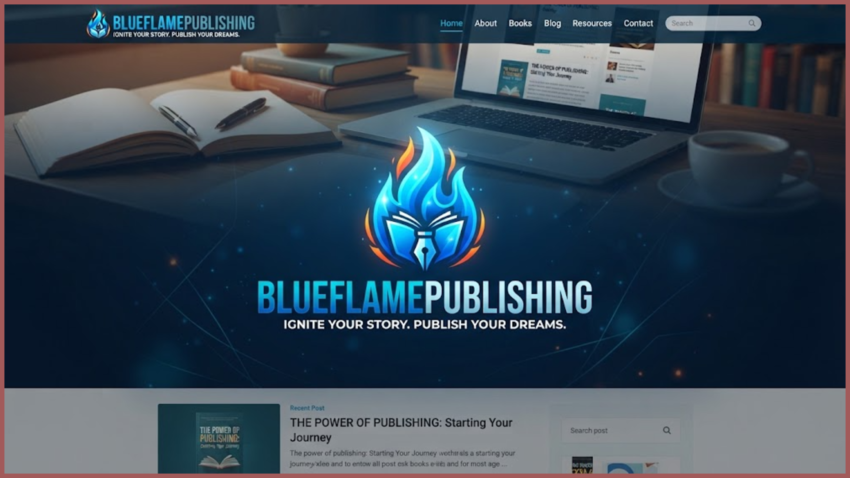
The Blog BlueFlamePublishing represents the kind of digital publishing concept that attracts readers who want useful, engaging, and accessible information in one place. In an online environment where blogs have become an important source of knowledge, commentary, ideas, and inspiration, platforms associated with publishing can provide readers with a convenient way to discover fresh perspectives and explore different subjects.
The importance of The Blog BlueFlamePublishing can be understood through the broader evolution of digital content. Modern readers no longer depend exclusively on newspapers, magazines, television, or printed books to learn about topics that interest them. Blogs and online publications have created a flexible environment where writers can explain ideas, discuss trends, share experiences, and introduce readers to subjects they may not have encountered before.
A successful blog is more than a collection of articles. It creates a relationship between writers and readers through useful information, recognizable editorial themes, consistent publishing, and an approachable writing style. This makes The Blog BlueFlamePublishing an interesting topic for anyone researching modern blogging, online publishing, digital media, content discovery, and the changing habits of internet audiences.
What Is The Blog BlueFlamePublishing?
At its simplest level, The Blog BlueFlamePublishing can be viewed as a digital publishing-oriented blog concept where written content is the central form of communication. Like other modern blogs, its value depends heavily on the quality, relevance, organization, and usefulness of the information presented to readers.
The word “publishing” is particularly important because digital publishing has changed considerably over the last two decades. Traditional publishing required printing, distribution networks, physical storage, and significant production resources. Online publishing removed many of those barriers. Today, an individual writer, small editorial team, business, or independent publisher can create and distribute content to an international audience with relatively few technical requirements.
A blog therefore provides more than an online reading experience. It can function as a knowledge resource, communication platform, brand-building tool, creative outlet, and source of ongoing discussion. The effectiveness of a platform such as The Blog BlueFlamePublishing depends on how successfully it connects these different purposes.
Readers typically expect online articles to be easy to understand, relevant to their interests, and structured in a way that allows them to find useful information quickly. Strong headings, informative sections, natural language, and meaningful explanations all contribute to a better reading experience.
The Evolution of Digital Publishing
To understand the significance of The Blog BlueFlamePublishing, it is useful to look at how blogging developed. Early websites were often static pages that provided basic information but offered limited interaction. Blogging introduced a more dynamic model in which new content could be published regularly and older posts could remain accessible as part of an expanding archive.
During the early growth of blogging, personal journals and opinion-based websites were especially common. Over time, blogging became much broader. Technology, entertainment, business, lifestyle, education, travel, food, finance, culture, and countless other subjects became popular categories.
Search engines played a major role in this transformation. Instead of visiting a website only because they already knew about it, readers could discover individual articles through search queries. This created an enormous opportunity for publishers because a single well-written article could attract readers long after its original publication date.
Social media further changed the publishing environment. Articles could be shared across communities, discussed publicly, and discovered through recommendations. As a result, modern blogs operate within a larger digital ecosystem that includes search engines, social platforms, newsletters, online communities, and content recommendation systems.
Why Blogs Remain Important
Despite the growth of video, podcasts, social media, and other forms of digital entertainment, written content remains highly valuable. People often turn to articles when they want detailed explanations, background information, comparisons, definitions, or practical guidance.
A well-written article allows readers to move at their own pace. They can scan headings, return to specific sections, copy useful information for personal reference, or read an entire discussion from beginning to end. This flexibility is one reason written publishing continues to have an important role online.
For The Blog BlueFlamePublishing, this broader publishing environment creates opportunities to serve readers through informative and engaging material. The strongest blog content usually balances usefulness with personality. Readers want information, but they also appreciate writing that feels natural rather than mechanical.
Key Features of a Strong Publishing Blog
One of the most important features of a successful blog is content consistency. Consistency does not necessarily mean publishing every day. Instead, it means maintaining a recognizable standard and providing readers with fresh material often enough to keep the publication active.
Content organization is equally important. A blog covering several related subjects should make it easy for readers to understand what they are reading and where they can explore additional material. Clear headings and logical article structures improve both usability and search visibility.
Another essential feature is readability. Online readers often encounter articles while using mobile devices or browsing quickly. Long blocks of dense text can discourage them from continuing. Shorter paragraphs, descriptive headings, natural transitions, and straightforward explanations make articles considerably easier to consume.
Originality also matters. Readers are surrounded by millions of articles, so simply repeating information found elsewhere does not provide much value. A stronger publishing strategy adds context, examples, interpretation, practical advice, or a distinctive perspective.
The Benefits of Following The Blog BlueFlamePublishing
One potential benefit of engaging with The Blog BlueFlamePublishing is the opportunity to discover information in an accessible format. Blogs can introduce readers to subjects without requiring specialized knowledge or technical vocabulary.
Another benefit is convenience. Digital content can be accessed across computers, tablets, and smartphones, allowing readers to explore information whenever they have time. This convenience fits naturally into modern lifestyles in which people consume information during short breaks, commutes, study sessions, and leisure periods.
Blogs can also encourage curiosity. A reader may arrive because of one specific topic and discover related subjects through other articles. This creates an interconnected reading experience in which one article leads naturally to another.
For writers, publishing platforms provide a different set of benefits. A blog can serve as a place to develop writing skills, demonstrate expertise, build an audience, establish a professional identity, or experiment with new ideas.
How Readers Can Get More Value From Blog Content
Readers can get greater value from a blog by approaching articles with a clear purpose. Someone researching a topic may want to focus on definitions and background information, while another reader may be more interested in practical applications and current trends.
It can also be useful to compare information across several articles rather than relying on one source for every question. Different writers may emphasize different aspects of the same subject. Reading broadly helps readers develop a more balanced understanding.
Another useful habit is paying attention to publication context. Digital information can change quickly, particularly in areas involving technology, business, entertainment, products, and online platforms. Understanding whether an article discusses a historical subject, current development, or general concept helps readers interpret the information appropriately.
The Role of SEO in Modern Blogging
Search engine optimization has become an important part of digital publishing. SEO helps search engines understand what an article discusses and helps users discover content that matches their searches.
For a platform such as The Blog BlueFlamePublishing, SEO can involve several elements, including relevant keywords, descriptive headings, useful explanations, semantic terms, strong article structure, and satisfying search intent.
However, effective SEO is not simply about repeating a keyword. Excessive repetition can make an article uncomfortable to read and may weaken its credibility. Modern content performs better when keywords appear naturally within useful and relevant explanations.
Search intent is especially important. If someone searches for information about a particular topic, the article should answer the underlying question rather than merely mentioning the search phrase. This principle helps create content that is valuable to readers as well as understandable to search engines.
Semantic Keywords and Topical Authority
Modern search engines evaluate context rather than looking exclusively for exact keyword matches. This makes semantic relevance increasingly important for publishers.
An article about The Blog BlueFlamePublishing, for example, can naturally discuss digital publishing, blogging, online content, editorial strategy, content creation, reader engagement, search visibility, publishing trends, website traffic, content quality, and online media.
These related concepts help establish topical depth. Instead of creating a page that repeatedly uses one phrase, a strong article develops the broader subject thoroughly.
Topical authority is particularly valuable because readers often have several connected questions. A comprehensive publication can answer those questions within one coherent reading experience rather than forcing visitors to search repeatedly for basic context.
The Importance of Reader Engagement
Reader engagement is another major factor in modern publishing. An article can attract visitors through search engines, but attracting a visitor is only the beginning. The content must then provide enough value to encourage continued reading.
A strong introduction creates immediate relevance. It should tell readers what the article is about and why the subject matters. Subsequent sections should deliver on that promise.
Natural transitions also help maintain attention. Each section should feel connected to the previous one rather than appearing as an isolated block of information.
An engaging writing style does not require exaggerated language. In many cases, clarity is more powerful than complexity. Readers appreciate articles that explain ideas confidently while remaining approachable.
The Blog BlueFlamePublishing and Modern Content Discovery
The way people discover content has changed dramatically. Search engines remain important, but they are no longer the only route. Social media, recommendation systems, news feeds, online communities, newsletters, and direct referrals can all introduce readers to new publications.
This means that blogs increasingly need to think beyond individual search rankings. A strong article should be useful enough that a reader might remember the publication, return later, or share the content with someone else.
Brand recognition can develop gradually through consistency. When readers repeatedly encounter useful articles associated with the same publishing identity, they can begin to recognize the publication as a familiar source.
Comparing Blogs With Traditional Media
Traditional media and digital blogs serve overlapping but different purposes. Newspapers and magazines historically relied on editorial calendars, print distribution, and established publishing organizations. Blogs provide considerably more flexibility.
A digital publisher can respond quickly to emerging subjects and adjust content based on audience interests. Articles can also be updated when new information becomes available.
At the same time, traditional media often operates with formal editorial processes and established reputations. The strongest digital publications can learn from those principles by emphasizing accuracy, clarity, responsible sourcing, and careful editing.
The most effective approach is not necessarily to view traditional publishing and blogging as competitors. Instead, modern blogs can combine the strengths of professional editorial standards with the speed and accessibility of digital media.
Comparing Informational Blogs With Promotional Websites
An informational blog generally aims to educate, explain, entertain, or provide useful context. A promotional website, by contrast, is usually focused more directly on products, services, conversions, or sales.
A publishing-focused blog can still support branding and business objectives, but readers are more likely to trust it when the content provides genuine value before making promotional intentions obvious.
This distinction is important because audiences have become increasingly aware of advertising and promotional content. Useful information creates credibility, while excessive promotion can reduce reader trust.
Current Trends in Digital Publishing
One of the biggest trends in digital publishing is the increasing demand for genuinely useful content. Readers have access to enormous quantities of information, which makes quality more important than simple volume.
Another major trend is mobile-first consumption. Articles must be comfortable to read on smaller screens, with appropriate spacing, clear headings, and straightforward formatting.
Personalization is also becoming more significant. Digital audiences increasingly expect content recommendations based on their interests and previous interactions.
Artificial intelligence is another major development in publishing. AI tools can assist with research, brainstorming, editing, translation, and content workflows. However, human judgment remains essential for accuracy, originality, tone, context, and editorial quality.
The future of blogging is therefore unlikely to be defined simply by publishing more content. Instead, successful publishers will increasingly focus on creating content that offers genuine usefulness and a distinctive human perspective.
Expert Insights Into Successful Blogging
Experienced publishers often emphasize the importance of understanding the audience before creating content. A writer who knows what readers want can create more relevant articles than someone who focuses exclusively on keywords.
Another important principle is consistency of quality. A single excellent article can attract attention, but long-term publishing success usually comes from repeatedly delivering useful experiences.
Experts also recognize the importance of updating evergreen content. Some topics remain relevant for years, but individual details may become outdated. Refreshing older articles can preserve their usefulness and help maintain their search visibility.
Editorial judgment is another critical factor. Not every trending subject deserves an article, and not every popular keyword represents a meaningful opportunity. Successful publishers consider relevance, audience interest, originality, and long-term value before investing in a topic.
Tips for Understanding The Blog BlueFlamePublishing
Anyone researching The Blog BlueFlamePublishing should approach the subject with an interest in both the individual publication concept and the wider digital publishing environment. Looking at content quality, subject variety, writing style, organization, and reader usefulness provides a better understanding than focusing only on the publication name.
It is also helpful to consider why particular topics attract attention. Search behavior often reflects practical needs, curiosity, current events, entertainment interests, or a desire to understand unfamiliar concepts.
Readers should also distinguish between useful information and unsupported claims. A professional publishing environment benefits from clear explanations, careful wording, and responsible treatment of facts.
Common Questions About The Blog BlueFlamePublishing
What is the purpose of The Blog BlueFlamePublishing?
The purpose of a publishing-oriented blog is generally to provide readers with accessible digital content covering relevant subjects. Its value comes from how effectively the content informs, engages, and serves its intended audience.
Why are blogs still popular?
Blogs remain popular because they provide detailed information in a flexible format. Readers can search for specific questions, explore related subjects, and consume articles at their own pace.
Can a blog become a trusted information source?
Yes, a blog can develop trust when it consistently publishes accurate, useful, original, and well-edited content. Trust usually develops gradually through repeated positive experiences rather than through a single article.
How does SEO help a blog?
SEO helps readers discover relevant content through search engines. Effective SEO combines search intent, keyword relevance, topical depth, clear structure, readability, and useful information.
What makes a blog article engaging?
An engaging article usually begins with a relevant introduction, provides clear explanations, maintains a natural flow, and answers the questions readers actually care about. Original insights and practical context can make the content even more valuable.
Is blogging still relevant in the age of social media?
Yes. Social media is excellent for fast communication and discovery, while blogs remain particularly useful for detailed explanations and evergreen information. The two formats can complement each other.
The Future of The Blog BlueFlamePublishing
The future of The Blog BlueFlamePublishing can be considered within the larger evolution of digital publishing. Online readers will continue to demand convenient access to reliable and engaging information, but their expectations are likely to become more sophisticated.
As search technology evolves, publishers will need to focus increasingly on satisfying readers rather than manipulating algorithms. Helpful content, clear expertise, originality, strong organization, and authentic communication will remain important.
Multimedia may also become more integrated with written publishing. Articles can increasingly work alongside images, video, interactive elements, podcasts, and other formats. Even so, written explanations will continue to play an important role because they are particularly effective for detailed information and search-based discovery.
The publishing environment may become more competitive, but competition can also encourage higher standards. Publishers that understand their audiences and consistently deliver meaningful information will have stronger opportunities to build lasting relationships with readers.
Final Thoughts
The Blog BlueFlamePublishing reflects the broader importance of modern digital publishing, where accessible written content connects readers with information, ideas, perspectives, and practical knowledge. The growth of blogging has transformed how people discover and consume information, giving publishers opportunities that were once available mainly to traditional media organizations.
The real strength of a blog is not simply its ability to publish articles. Its long-term value comes from creating useful content, developing reader trust, maintaining consistent quality, and responding to changing interests and digital trends. Effective SEO can help people discover that content, but meaningful information is what gives them a reason to stay.
As the online publishing industry continues to evolve, the principles of quality, relevance, readability, originality, and audience understanding will remain essential. The Blog BlueFlamePublishing can therefore be understood not only as a publishing-focused topic but also as part of the larger movement toward accessible, searchable, and reader-centered digital media.
For readers, the most valuable blogs are those that respect their time and curiosity. For publishers, the greatest opportunity lies in producing information that genuinely helps people. That combination of usefulness and accessibility is what can give a digital publication lasting relevance in an increasingly competitive online world.
https://ittopic.co.uk/
