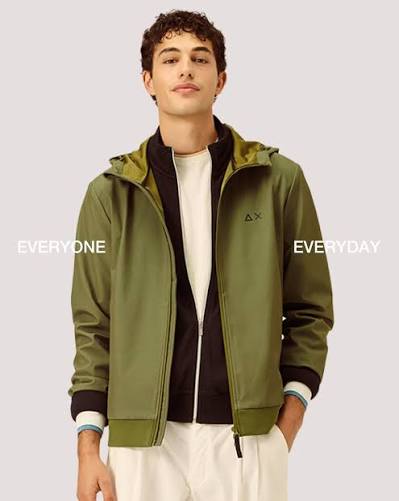
Most men own at least one jacket that looks great in photos but falls apart the moment it meets real weather. The zipper jams in the cold, the fabric soaks through in ten minutes of rain, or the fit that looked sharp in the store suddenly feels restrictive once you’re layering a sweater underneath. Outerwear sits at an odd intersection: it has to work in the real world and still say something about who you are.
The good news is that protection and style in outerwear don’t have to compete. A jacket can shield you from wind, rain, and cold while still fitting into a wardrobe you’re proud of. This article breaks down what actually matters when choosing a piece for daily wear, from fabric choices to fit adjustments to the small features that separate a jacket built for real life from one built for a mannequin.
Why So Many Jackets Get This Wrong
Outerwear tends to get designed around a single priority. Technical brands chase performance and treat appearance as an afterthought, which is why so many weatherproof pieces look boxy or overly sporty. Fashion-first brands do the opposite, prioritizing silhouette over function, which explains why a beautiful wool coat can leave you soaked after a ten-minute walk in the rain.
The result is a market split into two extremes, with very little in between. Most people end up owning multiple jackets, one for looking good and another for actually surviving the weather, when a better approach is choosing functional jackets designed to do both from the start.
What Your Jacket Is Actually Protecting You From
Before looking at style, it helps to understand what protective outerwear is protecting you from. Weather resistance isn’t one feature; it’s a combination of several, and understanding wind chill and fabric behavior in real conditions (the kind of data the National Weather Service tracks) makes it easier to judge whether a jacket’s claims hold up outside the store.
Wind resistance. A jacket that blocks wind changes how cold weather feels on your skin. Tightly woven fabrics, or materials like waxed cotton and treated leather, cut wind significantly better than loosely knit or unlined pieces.
Water resistance. This comes from either the outer material itself or a separate membrane layer. Genuine leather, when properly conditioned, naturally repels light rain, though it isn’t built for prolonged downpours. Knowing your jacket’s real limits prevents damage and disappointment.
Insulation. Insulation is about trapped air, not just thickness. Fiber science research on weave density and fill behavior backs this up: a well-lined jacket with a slimmer profile can outperform a bulky one with poor lining, which matters for weatherproof jacket style too, since overly puffy jackets are harder to dress up or wear under a blazer.
Structural protection. Reinforced shoulders, higher collars, and functional hoods guard against wind chill and unexpected downpours during commutes or outdoor errands. For men who spend real time outside, these features aren’t extras; they’re the difference between everyday outerwear you actually reach for and a jacket that only comes out on sunny days.
Where Style Actually Comes In
Once the functional basics are covered, style becomes about proportion, material choice, and how a jacket integrates with the rest of a wardrobe.
Fit over trend. A jacket that fits well will always look more intentional than one that’s simply on-trend. The shoulders should sit at the natural shoulder line, sleeves should allow room for a sweater without ballooning, and the length should suit your body proportions rather than a size chart. If you’re unsure what a proper fit even looks like on you, spending ten minutes with a proper guide to jacket fit before you shop saves you from a return later; it’s one of the easiest practical style choices to get right.
Material signals quality. Leather, waxed cotton, and heavier wool blends carry a visual weight that synthetic shells often lack. They photograph better, age better, and typically pair more easily with both casual and slightly dressed-up outfits. Brands that specialize in leather outerwear specifically, like The Leather Coats, tend to pay closer attention to this kind of material quality than mass-market outerwear labels, which is worth noting if you’re shopping for a piece meant to last.
Color and versatility. Neutral tones, black, brown, olive, navy, do more work across a wardrobe than statement colors. A truly versatile jacket in one of these shades can move from a weekend errand to a casual dinner without looking out of place.
Small Details That Make a Big Difference Daily
Certain design details consistently show up in jackets that hold their own against both weather and scrutiny:
- Adjustable cuffs and hems: seal out wind without changing how the jacket looks
- Interior pockets: keep essentials secure without adding visible bulk
- Quality zippers and snaps: small hardware failures are one of the most common reasons jackets get replaced early, and independent testing from groups like Consumer Reports consistently flags hardware as a weak point in cheaper outerwear
- Removable or built-in hoods: add protection for unpredictable days without requiring a separate jacket
On that last point, hooded options deserve a closer look. A mens hooded leather jacket is a good example of this balance in practice: the hood adds real protection against wind and light rain, while the leather construction keeps the overall look sharp rather than sporty. It’s a small design choice that solves a genuine problem: sudden weather changes without forcing a compromise.
Matching a Jacket to How You Actually Spend Your Day
The right approach to everyday outerwear depends heavily on your actual routine, not on what looks best on a hanger.
If you commute on foot or by public transit, prioritize wind and water resistance first, since you’re exposed to the elements longer than someone who drives door to door. If you spend most of your day indoors with only short outdoor stretches, you can lean more toward style and layering versatility, and if you’re building out layers for colder months, it’s worth reading up on layering strategies before you buy, since the right jacket often depends on what’s going underneath it. If your routine mixes both, a mid-weight jacket with adjustable closures and a hood tends to adapt best across changing conditions.
Thinking about your routine before your wardrobe is one of the simplest men’s outerwear tips there is, and it prevents the common mistake of buying a jacket that looks right in a store but fails the first time it’s tested against real conditions.
Upkeep Keeps Both Sides of the Equation Working
Protection and style both degrade the same way: through neglect. Leather that isn’t conditioned periodically loses its water resistance and its supple appearance at the same time. Zippers that aren’t kept clean start sticking, which affects both usability and how finished a jacket looks when worn. A basic seasonal routine, conditioning leather, checking seams, and cleaning hardware, keeps a jacket performing and looking sharp well beyond its first year. Anyone new to leather care specifically will find it worth learning the fundamentals early, since good habits formed in year one are what get a jacket to year ten.
FAQ
FAQ 1: Can a jacket really be both protective and stylish, or is that just marketing?
Yes. Material choice and construction quality matter more than marketing language. Jackets made from treated leather, waxed cotton, or well-insulated wool blends can offer genuine weather resistance while maintaining a refined appearance, especially when fit and hardware are well executed.
FAQ 2: What’s the biggest mistake people make when buying outerwear?
Prioritizing how a jacket looks in a fitting room over how it performs in actual conditions. A jacket that looks great under store lighting can still be unsuitable for wind, rain, or extended outdoor wear.
FAQ 3: Is leather a practical choice for wet climates?
Properly treated leather handles light rain and damp conditions reasonably well, but it isn’t designed for prolonged heavy rain. Regular conditioning helps maintain its natural water resistance over time.
FAQ 4: Do hooded jackets look less polished than hoodless designs?
Not necessarily. A well-constructed hood, especially on a leather jacket, can add functional protection without disrupting the jacket’s silhouette, particularly when the hood is proportioned to match the rest of the design.
FAQ 5: How often should outerwear be maintained?
Most jackets benefit from a seasonal check, cleaning, conditioning leather if applicable, and inspecting zippers and seams. This keeps the jacket performing well and looking intentional rather than worn out.
Conclusion
Choosing outerwear doesn’t have to mean picking between staying protected and looking put together. The jackets that hold up over years of regular wear are almost always the ones built with both in mind: solid materials, a fit that suits your body, and functional details that solve real problems rather than just filling out a spec sheet. Next time you’re shopping for a jacket, start with how you’ll actually use it, then let style follow from there.
